The mould
Aspergillus oryzaeSake uses yellow koji mould (Aspergillus oryzae). In 2006 the Brewing Society of Japan named it the “national fungus”.
Brewing, grades, rice, regions, temperature and pairing, step by step.
Polished rice, rice koji and water; some types add brewer’s alcohol. Unlike wine, the starch in the rice must first be turned into sugar.
A ratio of 60% means 60% of the grain remains. More polishing removes more of the outer layer, but the number alone does not decide taste.
Junmai means no brewer’s alcohol added. Ginjo is a separate axis (method and polishing), hence “junmai ginjo”.
The JSS suggests chilled 8–15°C, room temperature 15–25°C and warmed 40–50°C. One bottle can taste different at each.
These are guidelines only; every brewery and bottling differs.
Sake is made from rice, koji and water. Saccharification and alcoholic fermentation happen at the same time in the same tank (“multiple parallel fermentation”). Wine ferments the grape’s own sugar directly.
The outer layer of brown rice is milled away, leaving the core. Ginjo-style sake is milled with special care.
Rice is washed and soaked. Water uptake affects the result, so breweries manage the timing closely.
Rice is steamed, not boiled. It is used both for making koji and for the main mash.
Koji mould is sprinkled on steamed rice and grown for about two days. Its enzymes turn starch into sugar.
The “shubo” starter multiplies the yeast. It is made either by growing lactic acid naturally (kimoto, yamahai) or by adding it (sokujo).
Steamed rice, koji and water are added in three stages (soe, naka, tome) over four days, so the yeast is never overwhelmed.
In the tank, the “moromi” ferments while starch is converted. Some sake are fermented slowly at low temperature.
The moromi is pressed into sake and lees, then filtered, pasteurised, matured, sometimes diluted, and bottled. Namazake is not pasteurised.
Timing and methods vary by brewery and style; this shows the general flow.
Rice is milled slowly to avoid cracking, so highly polished rice can take dozens of hours or more.
Kimoto (including yamahai, which skips the pole-ramming step) lets lactic bacteria work naturally; sokujo adds lactic acid and is quicker. Devised around 1909, it is the mainstream today.
Day 1 “soe”, day 2 a rest day “odori”, day 3 “naka”, day 4 “tome”. The yeast multiplies during odori.
Moromi reaches around 20% because saccharification and fermentation run together, high for a brewed drink; water is usually added to bring it to about 15%.
Koji is steamed rice on which the “koji mould” has been grown. It underpins not only sake but also miso, soy sauce and mirin. Before yeast can make alcohol, koji turns the rice starch into sugar.
Sake uses yellow koji mould (Aspergillus oryzae). In 2006 the Brewing Society of Japan named it the “national fungus”.
Koji enzymes break starch into sugars and protein into amino acids. Sugars feed the yeast; amino acids contribute umami.
Steamed rice is spread in a warm, humid room. Brewers watch temperature and moisture and turn the rice by hand.
When the mould grows into the core of the grain rather than only on the surface, it is called “tsuki-hase”. This type of koji is said to be preferred for sake.
In 2024, “traditional sake brewing” with koji was inscribed on UNESCO’s intangible heritage list. Sake rules also include, for example, at least 15% of the rice being used for koji.
A saying that ranks what matters most: koji first, then the starter, then the brewing itself.
Rice made into koji (koji-mai) and rice steamed and added as is (kake-mai) are handled separately; some breweries use different varieties for each.
Many breweries buy the spores from specialist suppliers (“moyashi-ya”) and pick the strain they prefer.
“Tokutei meisho-shu” are eight designated grades defined by ingredients, polishing and method. They split into junmai types (no added alcohol) and types with brewer’s alcohol.
| Grade | Polishing ratio | Ingredients | Typical impression |
|---|---|---|---|
| Junmai daiginjo | ≤ 50% | rice, koji, water | elegant aroma, delicate |
| Daiginjo | ≤ 50% | rice, koji, brewer’s alcohol | fragrant, light |
| Junmai ginjo | ≤ 60% | rice, koji, water | fruity, balanced |
| Ginjo | ≤ 60% | rice, koji, brewer’s alcohol | crisp, aromatic |
| Tokubetsu junmai | ≤ 60% or special method | rice, koji, water | characterful junmai |
| Tokubetsu honjozo | ≤ 60% or special method | rice, koji, brewer’s alcohol | light, easy-drinking |
| Honjozo | ≤ 70% | rice, koji, brewer’s alcohol | dry, food-friendly |
| Junmai | no numerical limit | rice, koji, water | rice umami, body |
Other rules apply (brewer’s alcohol up to 10% of rice weight, koji rice at least 15%, etc.). The “impression” column is a general tendency, not a promise.
Source : JSS ↗
Explore sake in detail →Added before pressing, it can lift aroma or make the taste crisper. Seeing it as a sign of lower quality is a misunderstanding; it is simply a style.
In wartime and postwar rice shortages, volume was tripled with alcohol, sugars and acidifiers: “sanzoshu”. It is a different story from today’s designated grades.
Nihonshu-do is a density gauge with water at 0: more sugar pushes it negative. High acidity can make sake taste drier, so the number alone does not decide sweet or dry.
Ginjo sake is often fermented slowly at low temperature, which brings out its fruity aroma.
Rice suited to brewing is called “shuzo koteki mai”. Grains are often larger, with a white core called “shinpaku”. The variety is sometimes printed on the label.
Developed in Hyogo in 1936 and often called the “king of sake rice”. Its small shinpaku suits high polishing, so it is common in ginjo sake.
Bred in Niigata in 1957 and the most widely planted sake rice, it tends to give a clean, crisp style.
A rare variety that is hard to grow and almost entirely produced in Okayama. Described as full-bodied with a round umami.
Developed in Nagano; often associated with a sharp, light profile.
Each region grows its own: Dewasansan (Yamagata), Aiyama (Hyogo), Akita Sake Komachi (Akita), and more.
Flavour notes are tendencies: the same rice varies with brewery and polishing.
It was bred from “Yamadaho” crossed with “Tankan Watarifune”.
Said to have been found in Okayama around 1859, one of the oldest sake rice varieties still grown.
Said to commemorate Niigata’s rice harvest passing five million koku.
Large grains, a white core, low protein, and easy for koji to penetrate.
Sake is made across Japan, and breweries differ even within a prefecture. Here are well-known regions with their climate, water and rice.
Map of sake regions. Select a coloured prefecture or a pin. · Boundaries: MLIT National Land Numerical Information (administrative areas), simplified by JAPANITIES
A leading sake region known for its “miyamizu” groundwater and its closeness to Yamada Nishiki fields. “Nada-gogo” is a Geographical Indication (GI).
Brewing district in southern Kyoto with abundant spring water; often linked with soft, mellow sake.
Land of snowmelt and Gohyakumangoku. Known for a “tanrei karakuchi” style: clean and dry. It has one of the largest numbers of breweries.
Where, in the Meiji era, brewing with soft water was perfected. Saijo is a brewery town known for mellow, umami-rich sake.
Cold climate and rice country. Kyokai yeast No. 6, isolated at an Akita brewery in 1930, is among the most widely used.
Strong in ginjo-style sake. The whole prefecture is a GI (“Yamagata”), and it grows local rice such as Dewasansan.
Known for many gold medals at the National New Sake Appraisal; Aizu, Nakadori and Hamadori each have their own character.
A land said to favour dry sake, with a strong culture of drinking alongside local dishes.
These are tendencies; breweries in each region also make very different sake.
In Nada, “miyamizu” well water from Nishinomiya has reportedly been used since the late Edo period. Hard and mineral-rich, it is said to drive a vigorous fermentation and firm, dry sake.
In Hiroshima, Miura Senzaburo is said to have established in the Meiji era a method suited to soft water.
Nanbu (Iwate), Echigo (Niigata), Tamba (Hyogo), Noto (Ishikawa) and others: each region has its master-brewer guilds.
Started in 1911 and judged each spring. The number of gold medals is often cited as a gauge of breweries and prefectures.
Nine breweries and brands you often hear about, from across Japan. This is neither a ranking nor a recommendation, just a way in to the houses and their regions.
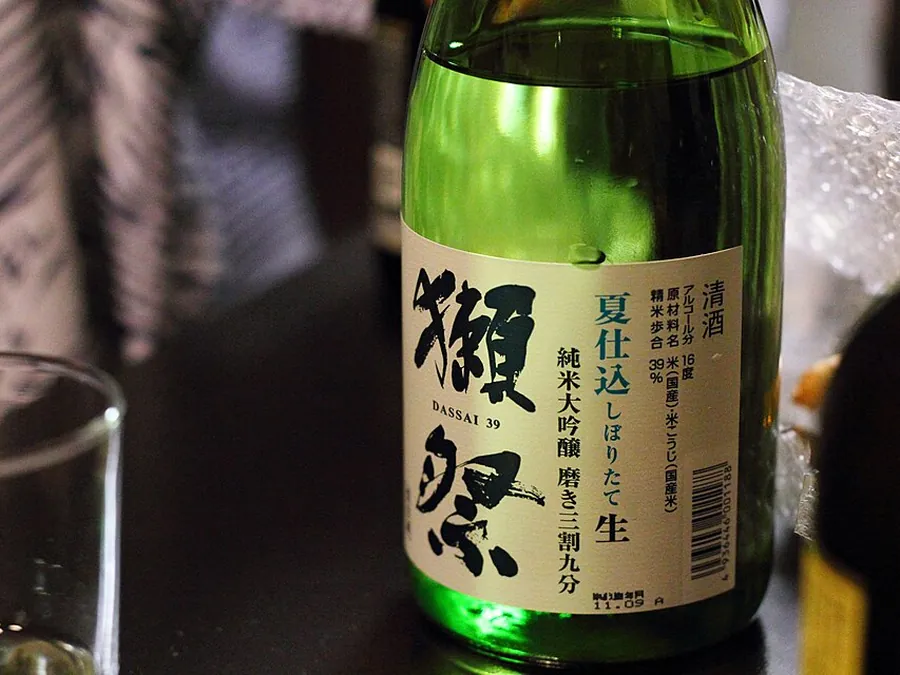
The official site presents a junmai daiginjo range (e.g. “Migaki 23%”).
The label in the photo reads junmai daiginjo, polishing ratio 39%.
Official site ↗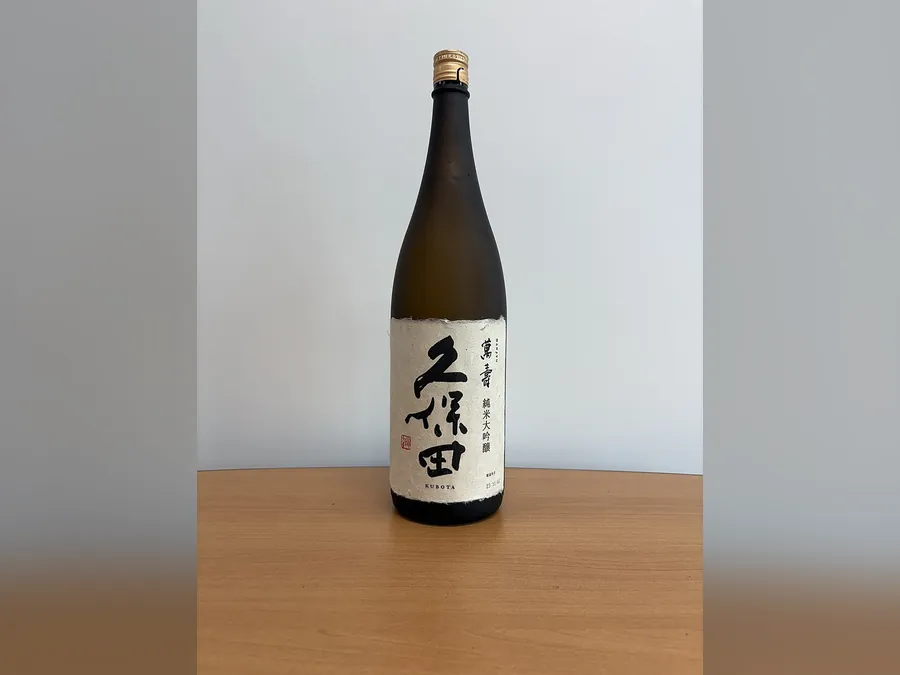
Kubota was launched in 1985; the official site describes a crisp, sharp character (“kire”).
The photo shows a bottle of “Manju”, a junmai daiginjo.
Official site ↗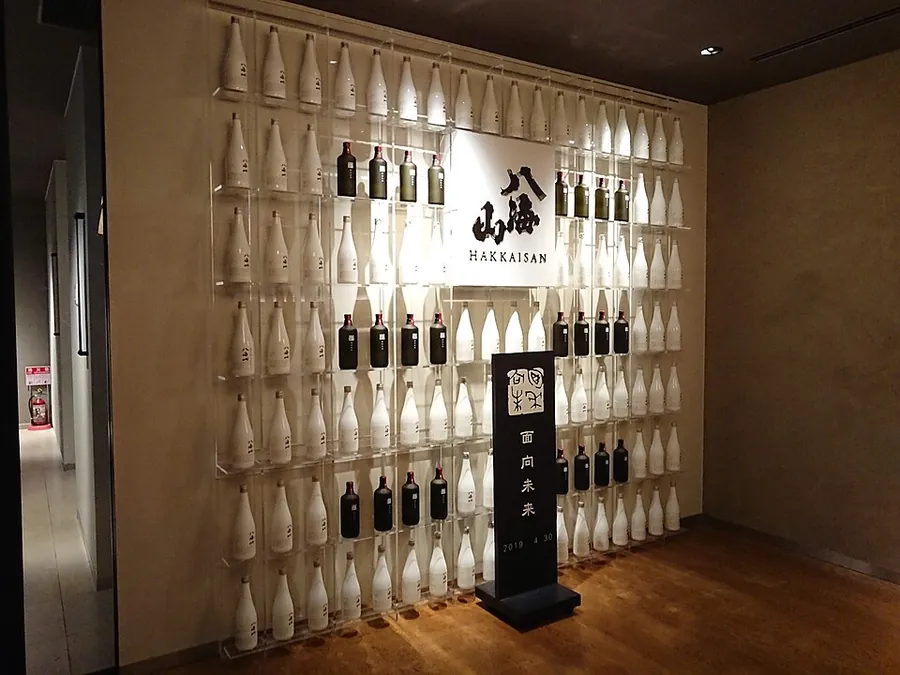
The official site speaks of making “clean” sake, under the motto “good sake for many people”.
The photo shows a display inside the brewery’s visitor building.
Official site ↗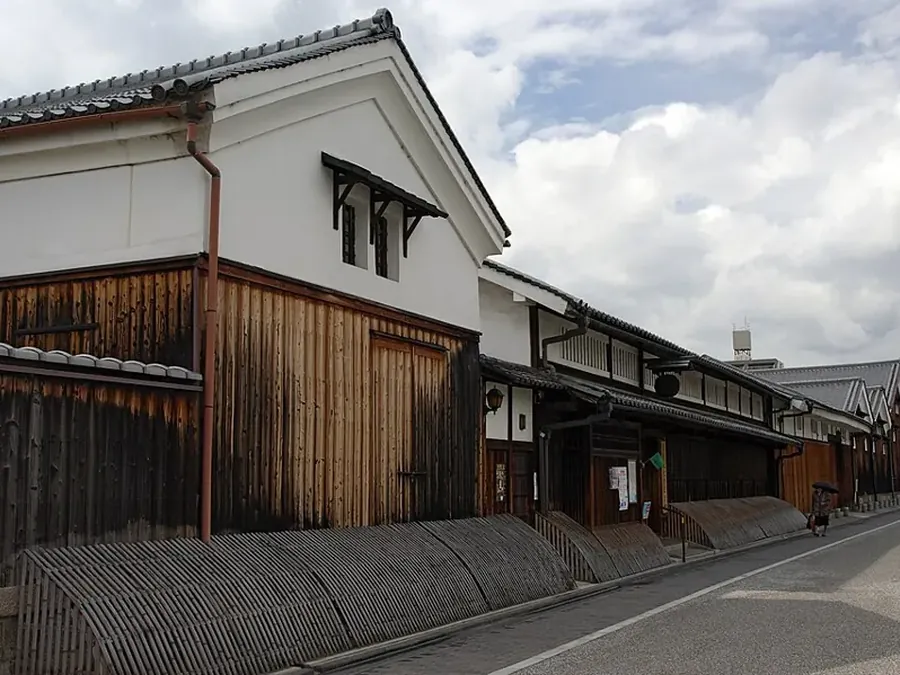
A Fushimi, Kyoto brewery. The official site states it was founded in 1637 (Kan’ei 14).
The photo shows white-walled brewery buildings at the Gekkeikan Okura Sake Museum in Fushimi.
Official site ↗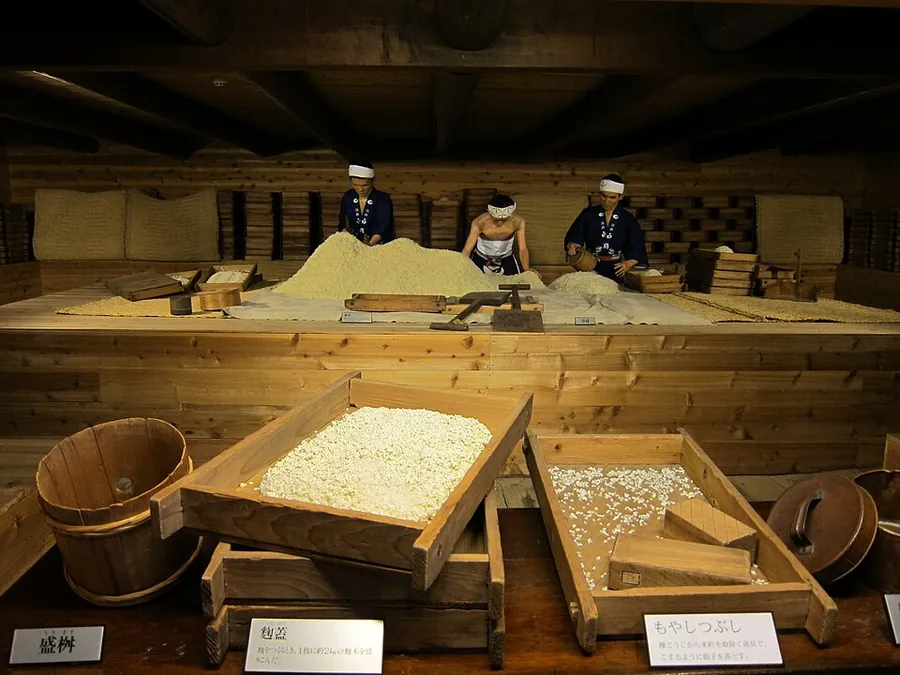
A Nada (Kobe) brewery, said to have been founded in 1743 (Kanpo 3).
The photo shows a display of old brewing tools and figures at the Hakutsuru Sake Brewery Museum.
Official site ↗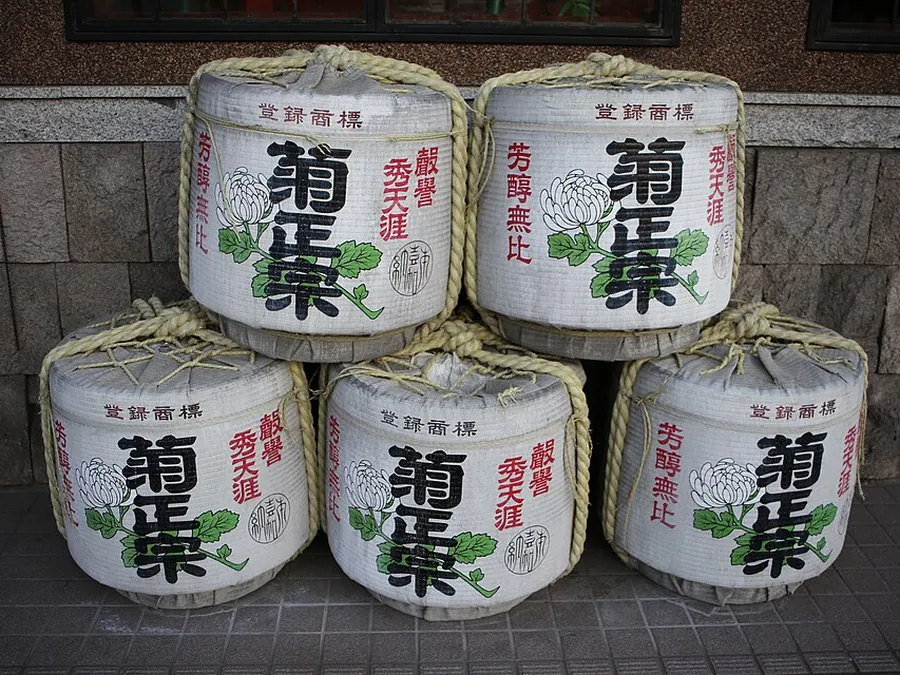
The official site’s slogan is “from Nada to the world”, and it features kimoto brewing prominently.
The photo shows Kiku-Masamune sake barrels outside a shop in Nagoya.
Official site ↗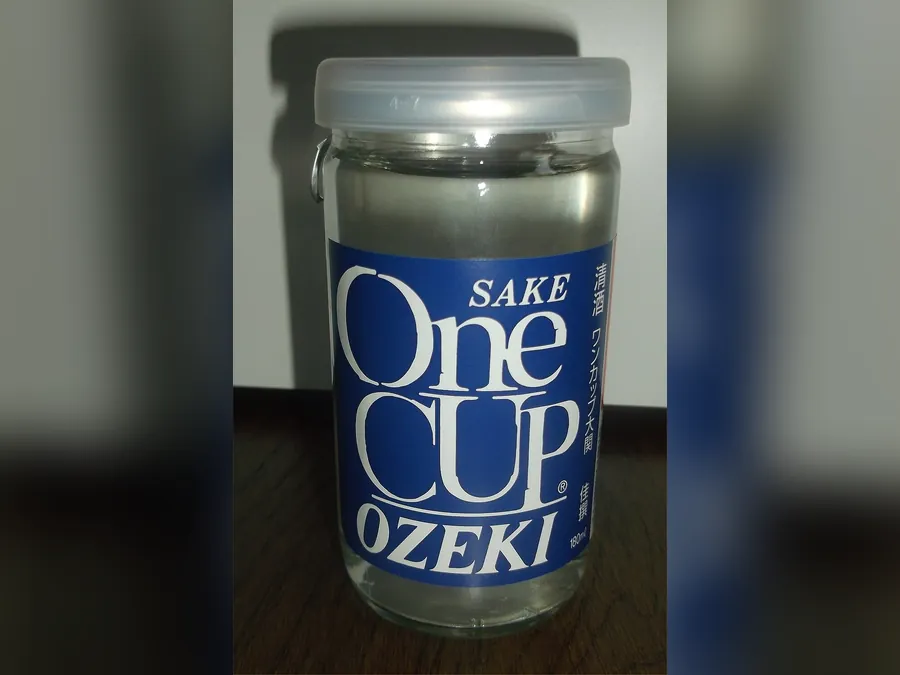
The official site speaks of brewing since 1711. “One Cup Ozeki” is one of its products.
The photo shows a 180 ml “One Cup Ozeki”, a single-serve cup of sake you open and drink as is.
Official site ↗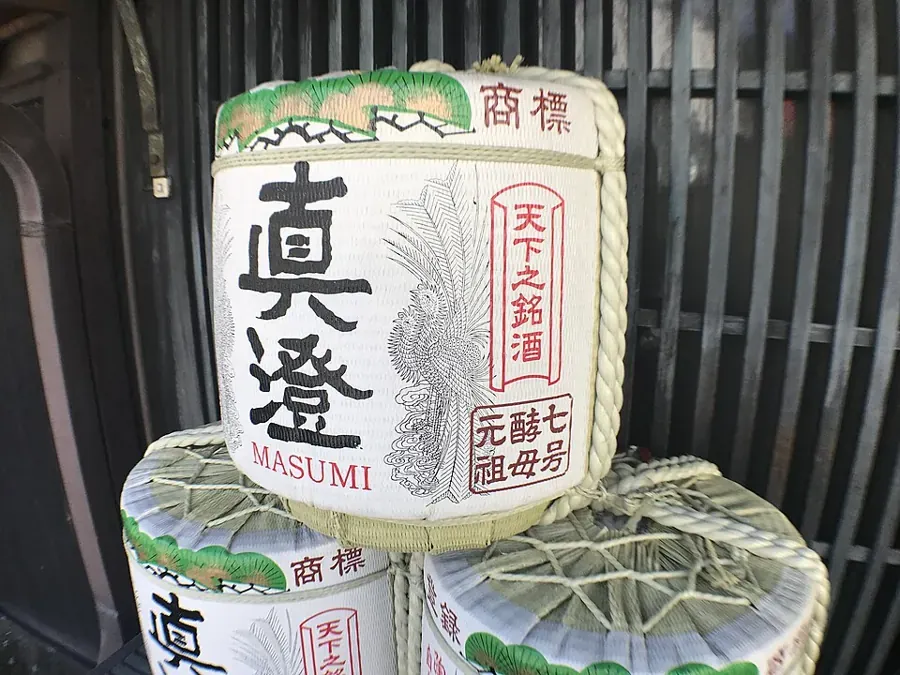
The official site presents the brewery as the birthplace of the “Kyokai No. 7” yeast.
The photo shows Masumi’s straw-wrapped barrels (komodaru); a label reading “Tenka no meishu” is visible.
Official site ↗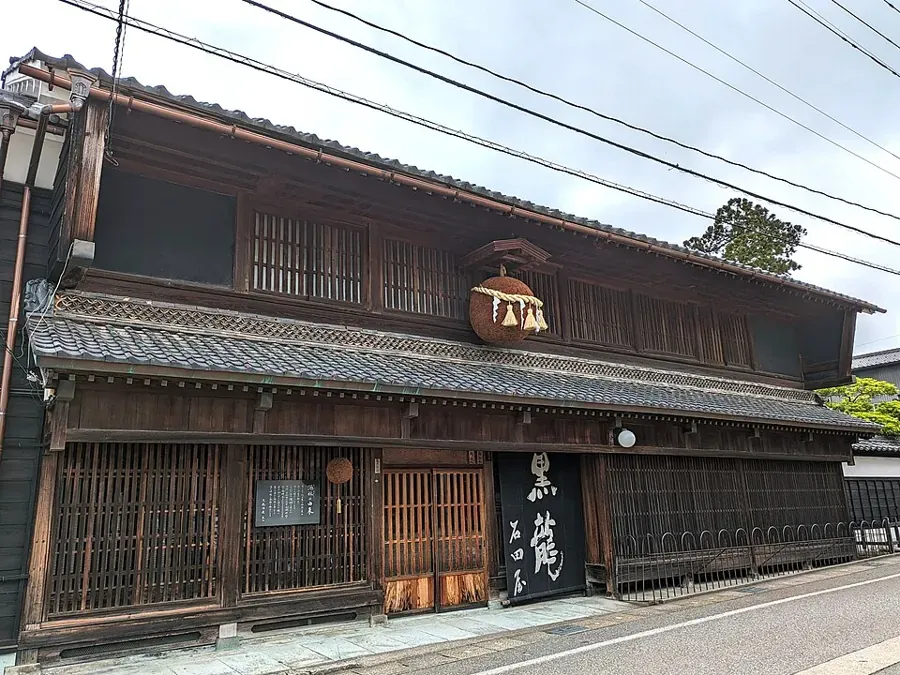
The official site presents two brands: “Kokuryu” and “Kuzuryu”.
The photo shows Kokuryu’s combined shop and main house in Eiheiji.
Official site ↗Information is limited to what can be confirmed on each brewery’s official site. Photos are freely licensed from Wikimedia Commons, with author and licence shown. Please drink in moderation; in Japan, drinking under 20 is prohibited by law.
The SSI (a sake-expert association) sorts sake into four types by aroma and body. A handy map for finding what you like.
Ginjo and daiginjo. Floral, fruity aromas. Serve chilled in a wine glass.
Honjozo, namazake. Gentle aroma, light body. Easy and chilled.
Junmai. Rice umami and body. Anywhere from room temperature to warm.
Aged sake (koshu). Amber colour, notes of honey or spice.
Two typical compounds: ethyl caproate (apple) and isoamyl acetate (banana). The yeast strain changes how they show.
Yeasts distributed by the Brewing Society of Japan: No. 6 (1930, from an Akita brewery), No. 7 (Nagano), No. 9 (Kumamoto, suited to ginjo)…
Sake can be served cold or warm, and each temperature has a poetic name. Find the one you like.
| Name | Temperature | Impression |
|---|---|---|
| Yukibie | about 5°C | very cold, crisp |
| Hanabie | about 10°C | aromas begin to open |
| Suzubie | about 15°C | balanced aroma and taste |
| Room temp (hiya) | about 20°C | rice umami is clear |
| Hitohadakan | about 35°C | gently warm |
| Nurukan | about 40°C | rounder |
| Jokan | about 45°C | umami and snap |
| Atsukan | about 50°C | aromatic, crisp |
Common guidelines (JSS: chilled 8–15°C, room temp 15–25°C, warmed 40–50°C). Check the bottle or brewery first, as each sake differs.
Source : JSS ↗
Sake warmed and then cooled (“kan-samashi”) is said to turn rounder.
Water drunk between sips of sake is “yawaragi-mizu”: it paces the drinking and refreshes the palate.
The vessel changes how sake smells, feels and holds its temperature. Here are the main ones and how they are used.
A narrow-necked flask for pouring. For warm sake it is often heated in a hot-water bath and brought straight to the table.
A small cup for sipping, often holding a few dozen ml, suited to pouring for one another.
Larger than an ochoko. Shape and clay show real character, and many people collect them.
A shallow, wide cup, also used at celebrations and ceremonies.
A bowl with a spout. Sake is decanted into it, especially chilled sake, and served at the table.
Originally a wooden measure (1 go ≈ 180 ml) that lends a woody scent. Sake is sometimes served in a glass set in a masu and filled to overflowing (“mokkiri”).
Well suited to the floral, fruity aroma of ginjo. A regular Bordeaux wine glass works fine.
| Material | Character | Good for |
|---|---|---|
| Pottery (earthenware/stoneware) | Clay; thick, soft in the hand, keeps warmth | warm sake, umami-rich junmai |
| Porcelain (stone) | Ground stone; thin, hard, non-absorbent, smooth rim | chilled sake, ginjo |
| Glass | Transparent; shows colour and coolness | chilled, aromatic ginjo |
| Tin | Conducts heat well, so cold and warmth are felt | chilled or warm sake |
| Wood (masu) | Passes on a woody scent | cask sake, celebrations |
Japan has many ceramic centres, each with its own clay and craft. Here are a few.
Unglazed ware fired long and hot; one of Japan’s “Six Ancient Kilns”. Raw clay surface, a popular choice for sake.
Regarded as where porcelain was first made in Japan; known for painted designs on a white body.
Porcelain famous for vivid overglaze painting; it adds colour to the table.
Soft earthenware whose colour changes with use, hence the phrase “seven transformations of Hagi”.
One of the Six Ancient Kilns, loved for its rough clay and flame-marked surfaces.
Simple, sturdy earthenware, popular for everyday use.
The Six Ancient Kilns are Seto, Tokoname, Echizen, Shigaraki, Tamba-Tachikui and Bizen.
Thin porcelain or glass for chilled sake; thick pottery for warm sake.
For aroma choose a flared glass; a thinner rim feels lighter on the lips.
Pottery is sometimes “sealed” first by simmering in rice-rinsing water. Dry it well after use.
A white ochoko with blue double rings inside, called “janome”, is used in tastings to judge colour and clarity.
Fine cracks in the glaze (“kannyu”) let sake or tea seep in and gradually change the colour.
If you know Bordeaux wine, sake feels closer. Both are fermented drinks, but they work differently.
| Sake | Wine | |
|---|---|---|
| Ingredients | rice, koji, water | grapes |
| Source of sugar | starch converted by koji | natural sugar in the fruit |
| Fermentation | saccharification and fermentation together | simple fermentation |
| Typical strength | often about 15% | often 12–14% |
| Label clues | grade, polishing, rice, brewery | appellation, grape, classification, vintage |
| Serving | chilled to hot | mostly chilled to room temperature |
| In wine | In sake | Worth noting |
|---|---|---|
| Appellation (AOC): Médoc, Pomerol | Brewery location; some GIs: Nada-gogo, Yamagata… | On the label, brand and brewery matter more than region. Only some regions hold a GI. |
| Grape: cabernet, merlot | Sake rice: Yamada Nishiki, Gohyakumangoku, Omachi | Bordeaux usually blends several grapes; sake may use one rice variety or several. |
| Classification: Médoc 1855 first growth | Grade: junmai daiginjo, junmai ginjo, honjozo… | Wine classifications rank châteaux; sake grades describe ingredients and polishing, not a brand’s standing. |
| Vintage (harvest year) | Production date | Sake labels mainly show the production date, not a harvest year. Many are enjoyed fairly soon after release, but aged sake exists too. |
| Château (producer) | Brewery (kura) | In both cases, the producer is a clue to style. |
| Winemaker / œnologist | Toji (master brewer) | The toji leads the brewing at the brewery. |
| Terroir (soil, climate) | Rice, brewing water, climate, craft | For sake, water and the brewer’s craft weigh heavily alongside the land. |
| Taste words: tannin, acidity, body | Umami, acidity, sweet/dry (nihonshu-do), aroma | Tannin is not central in sake; people talk about umami, sweet/dry and aroma instead. |
| Harvest: autumn | Brewing: traditionally winter (kanzukuri) | Some breweries now brew all year round. |
Sake tends to be blended for a consistent taste year to year, whereas wine celebrates vintage differences.
Wine uses residual sugar; sake uses nihonshu-do and acidity. The scales differ, so the numbers cannot be compared directly.
There is no single right answer; these are starting points.
Dishes with dashi, miso or soy sauce often suit a junmai with rice umami.
The aromas of ginjo suit white fish and vegetables without overwhelming them.
For fried or fatty food, try a crisp honjozo or a warmed junmai.
Aged cheeses and seafood, rich in umami and salt, can work with sake. Start with a small taste.
Main sources: JSS and official prefectural materials.