Bordeaux wine: regions, grapes and classifications
Bordeaux wine explained: regional map, Left Bank and Right Bank, grape varieties, soils, the five first growths and the Médoc and Saint-Émilion classifications.
In-depth guides
Médoc
Gravel on rises, clay and limestone Gravel drains well and stores the heat of the day. Inland and towards Saint-Estèphe, there are also clay and limes
Graves / Pessac-Léognan
A mosaic of gravel, sand and clay The gravel deposited by the river is the signature of the region; the share of sand, clay, limestone and silt varies
Saint-Émilion
Limestone plateau, clay, gravel and sand The limestone plateau and clay-limestone slopes, the gravels on the Libourne side and the sandy soils along t
Pomerol
Clay and gravel Soils of clay and gravel characterise the appellation, where merlot plays a central role. Soils differ greatly from plot to plot: do n
Entre-deux-Mers
Clay, limestone and gravel “Entre-deux-Mers” here means the area between the Garonne and the Dordogne, two tidal rivers. There is a mix of clay, limes
Sauternes / Barsac
Gravel hills / red earth on fissured limestone Sauternes stands out for its gravel hills, Barsac for red earth lying on fissured limestone. To underst
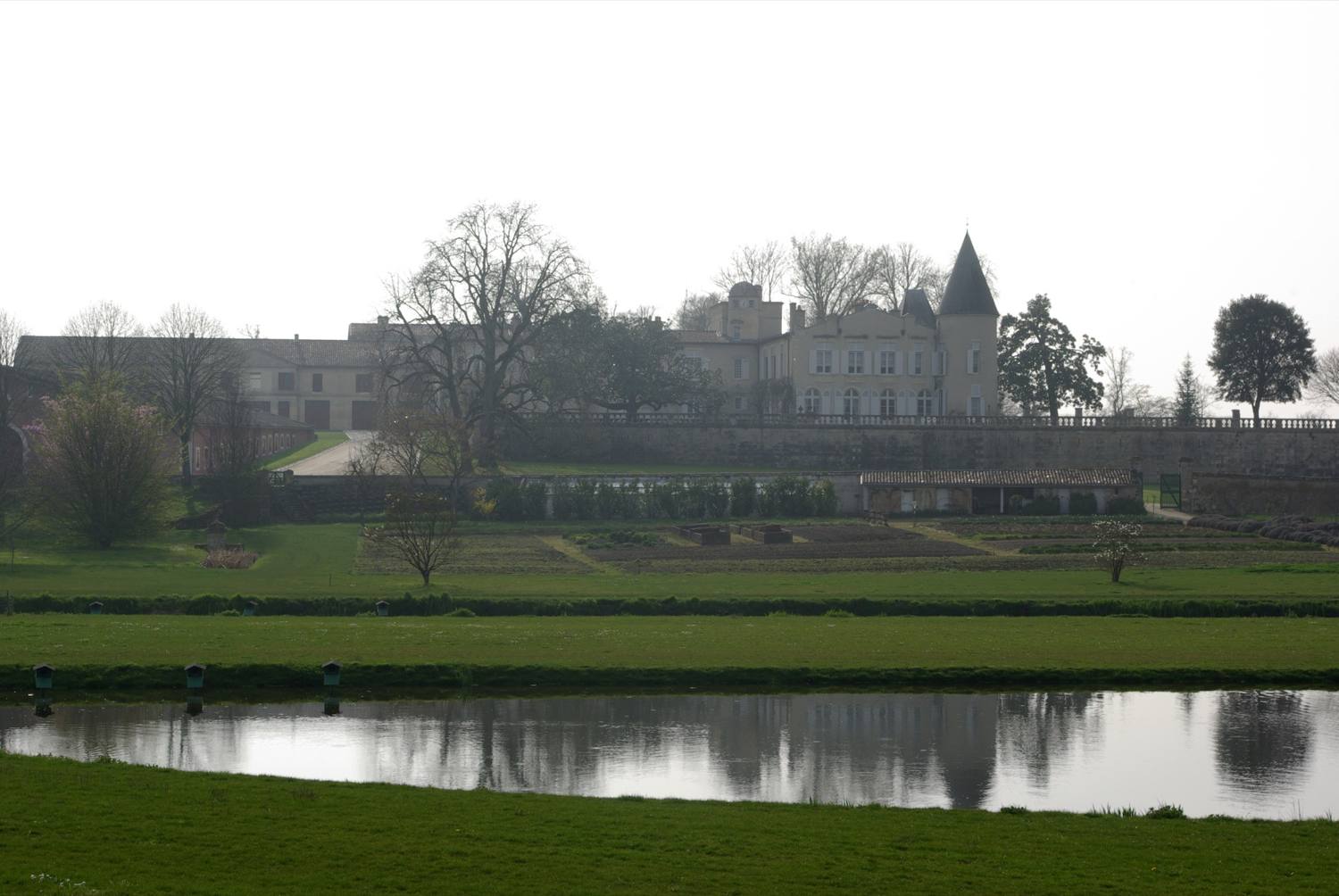
Château Lafite Rothschild
Appellation: Pauillac Premier cru classé since the 1855 classification. One of the emblematic châteaux of Pauillac, in the Médoc. The classification a
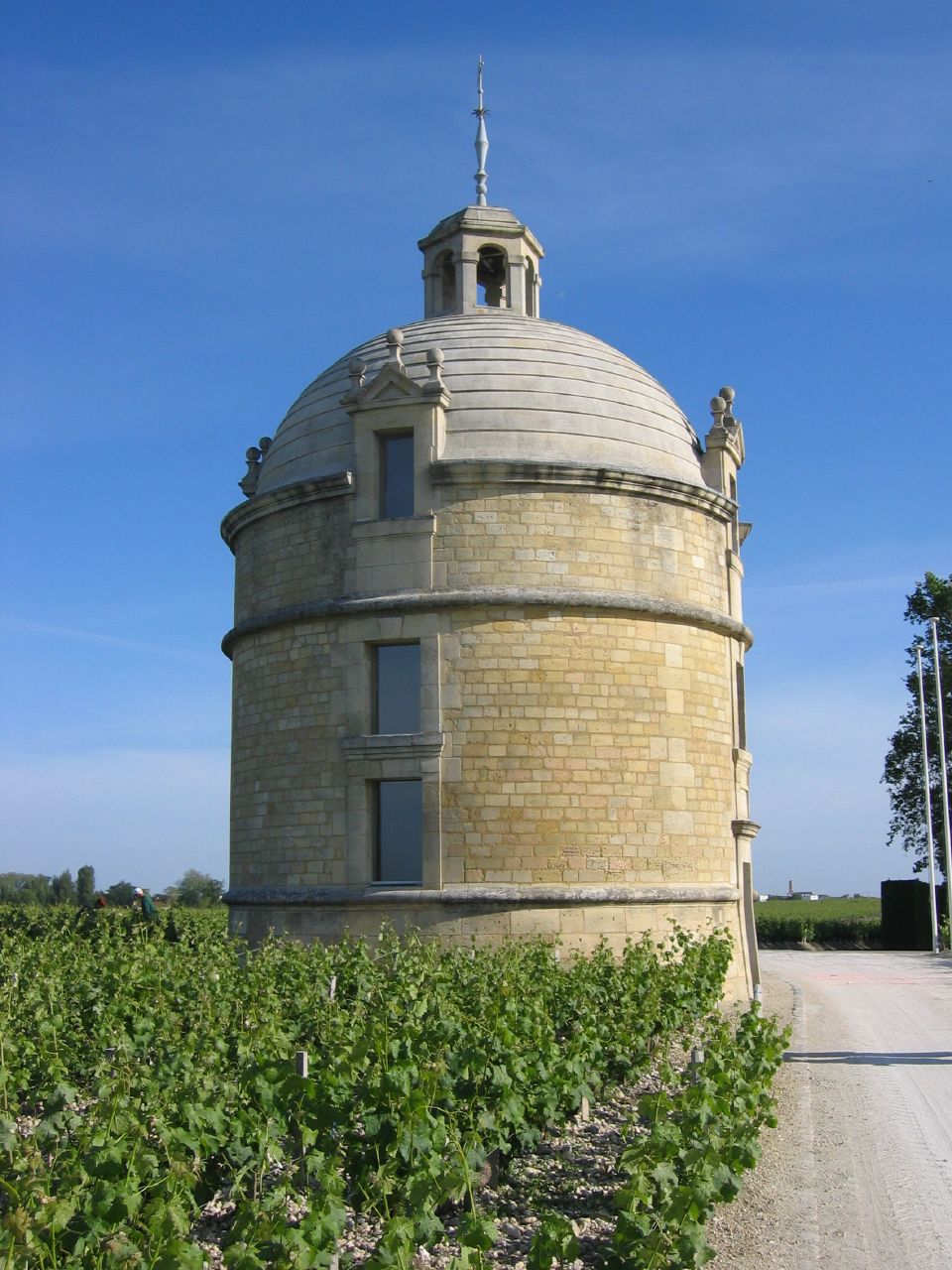
Château Latour
Appellation: Pauillac Premier cru classé since 1855. It is in Pauillac, like Lafite and Mouton. The classification applies to the château, not to the
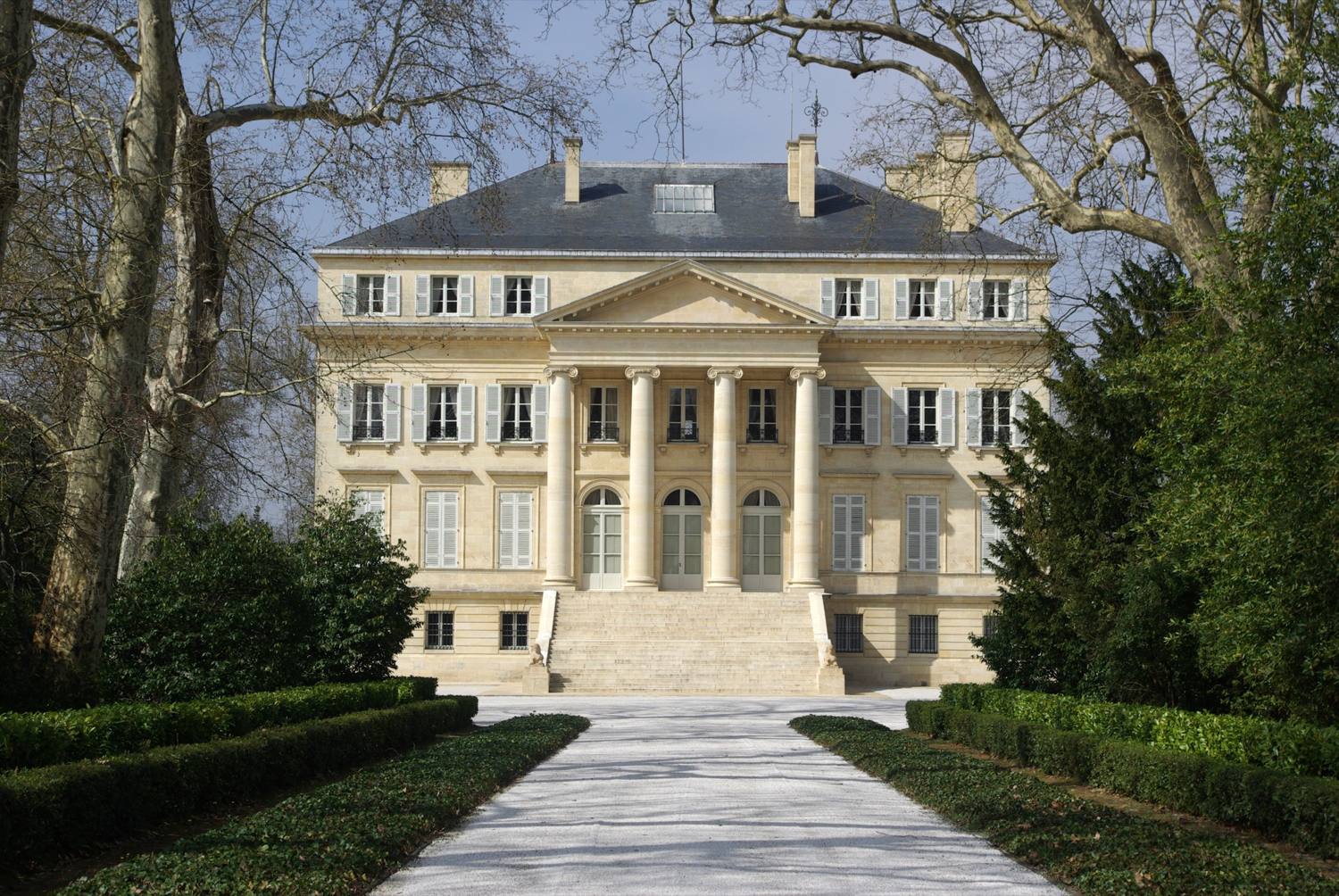
Château Margaux
Appellation: Margaux Premier cru classé since 1855. A château that shares its name with its appellation. The classification applies to the château, no
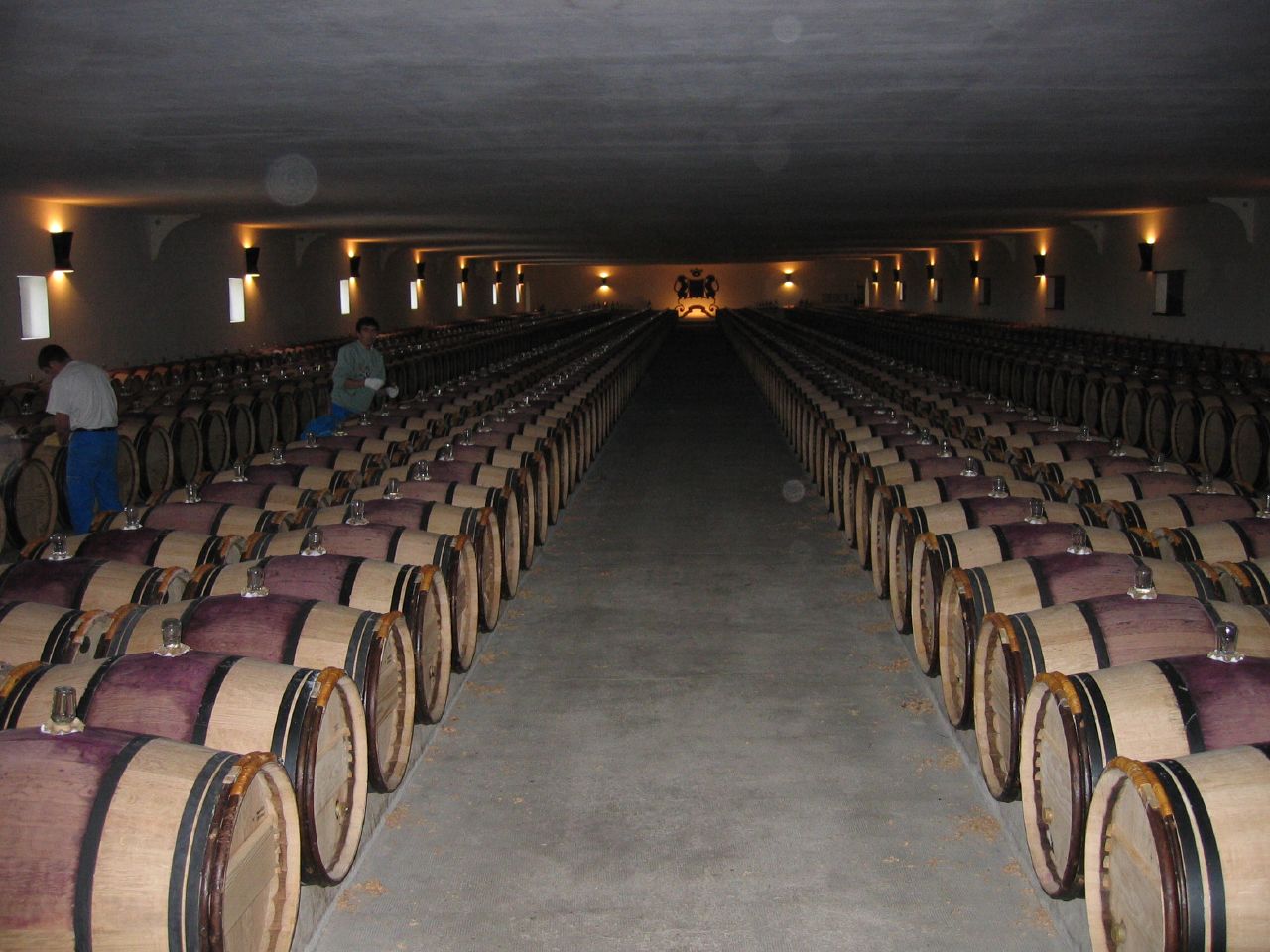
Château Mouton Rothschild
Appellation: Pauillac Second growth in 1855, it became a first growth in 1973 and is now one of the five great châteaux. The classification applies to
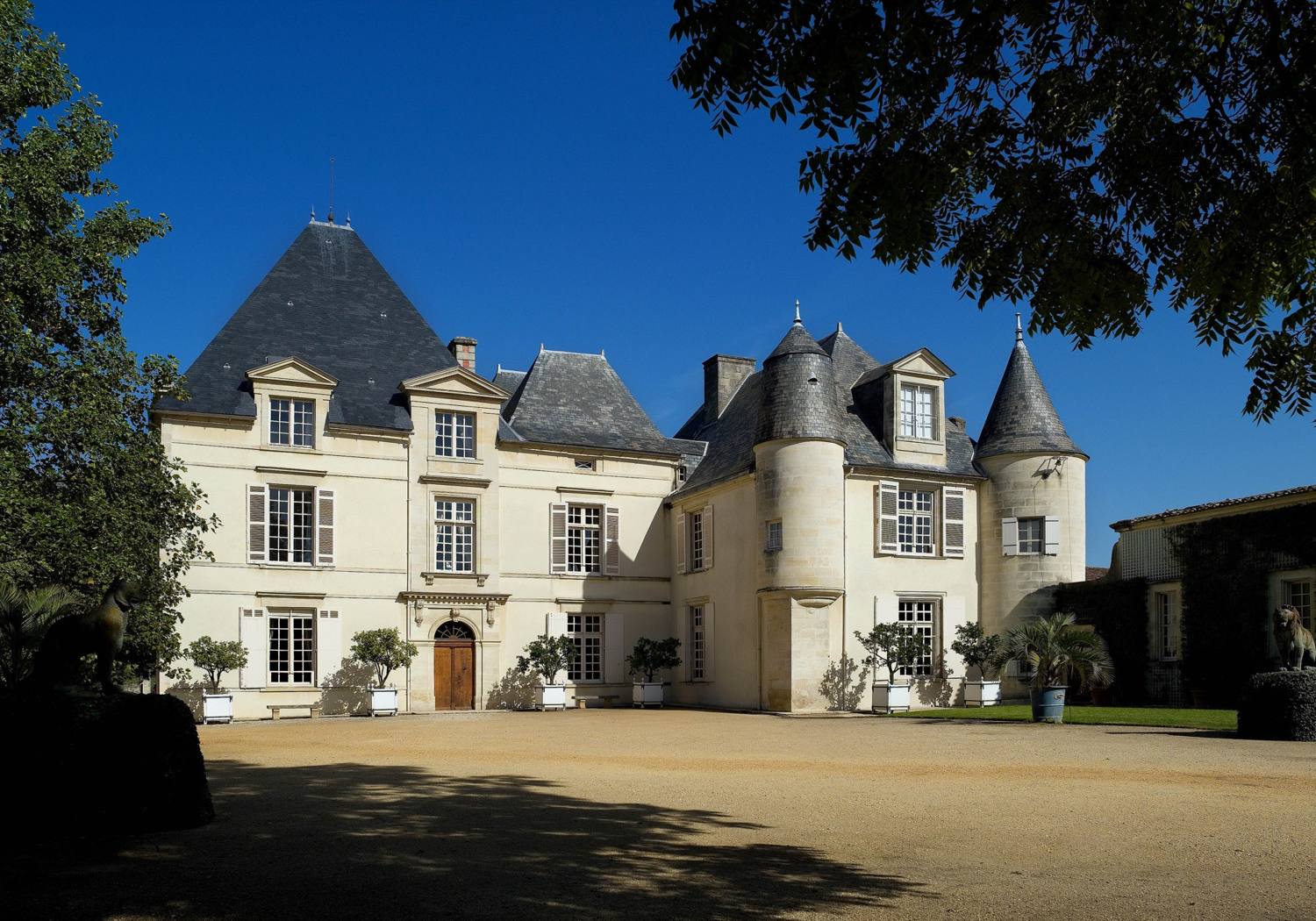
Château Haut-Brion
Appellation: Pessac-Léognan Premier cru classé since 1855. The only one of the five great châteaux not in the Médoc, it is in Pessac, near the city of
Understanding the Saint-Émilion classification
Saint-Émilion Grand Cru is an appellation of origin. The words “Grand Cru” alone do not mean the château is classified. 2022 classification: 85 châtea
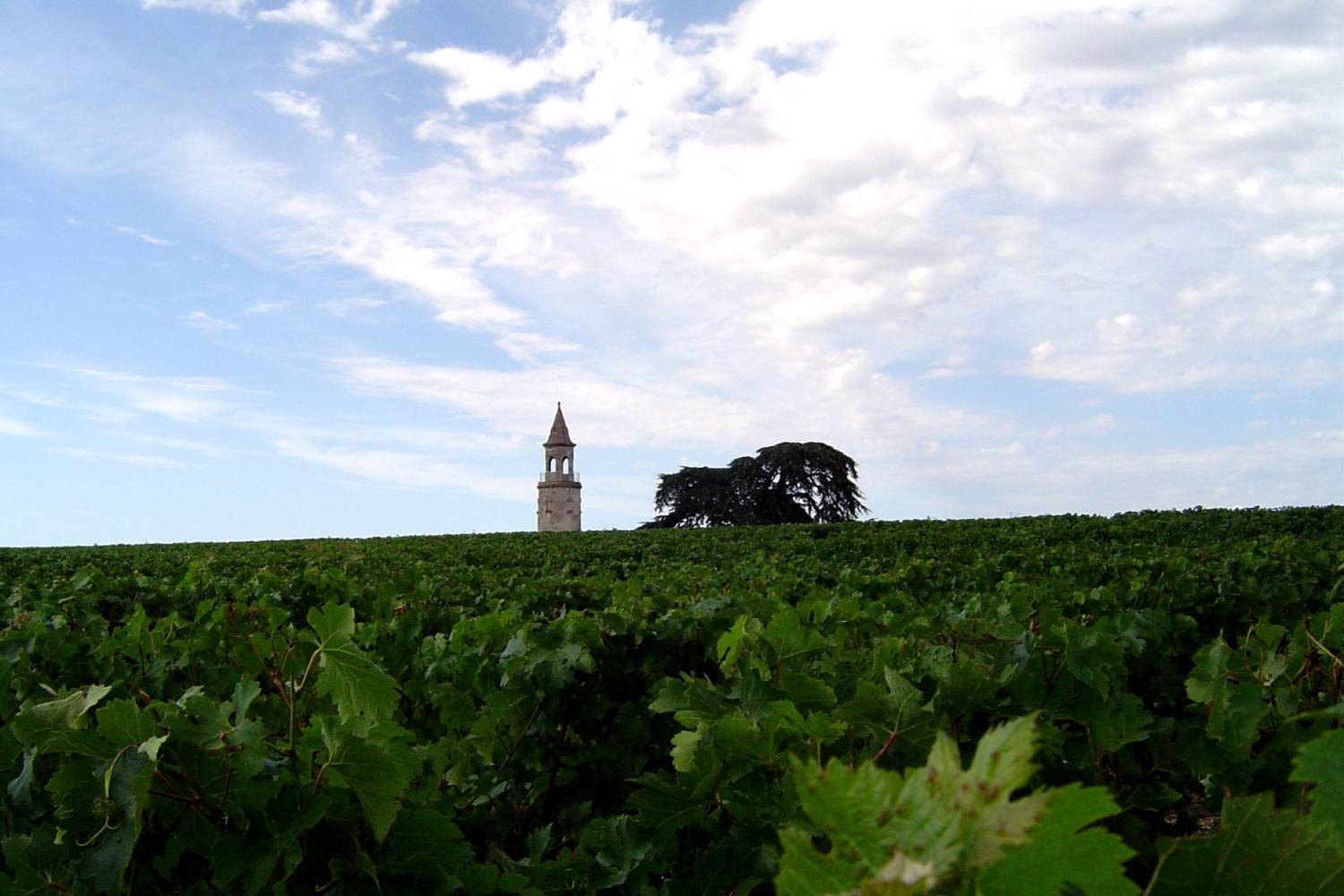
Bordeaux: left bank or right bank? Map, grapes and styles
Place the Médoc and Graves on the left, Saint-Émilion and Pomerol on the right. Rivers, grape varieties and reading the label: useful pointers to get
The five great châteaux of Bordeaux: map, names and classification
Three in Pauillac, one in Margaux, one in Pessac. Spot the five properties with a marker map and their photos.
Bordeaux’s great châteaux owned by luxury: Chanel, LVMH, Pinault
The family that owns Chanel holds three châteaux in Margaux and Saint-Émilion. Along with LVMH and the Pinaults, discover the unexpected links between
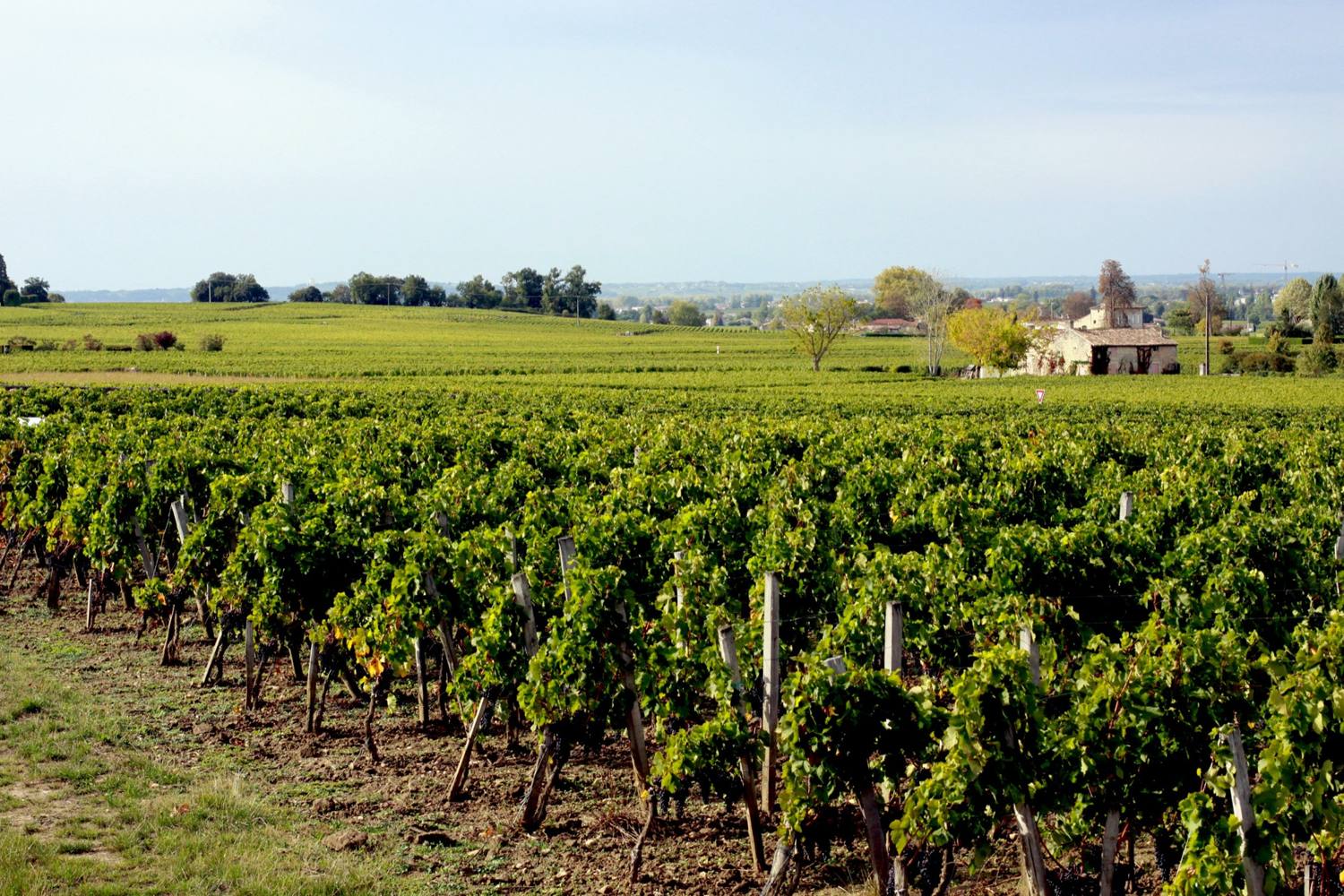
Bordeaux classifications: 1855 and Saint-Émilion A / B, the differences
Premier cru, Premier Grand Cru Classé A or B, Grand Cru Classé: compare the systems without mixing up the terms.
Frequently asked questions
How do I discover Bordeaux wines?
Start with the wine styles, compare the banks on the map, then explore the grape varieties, soils, the five great châteaux and the classifications. The guide is available in French, Japanese and English.
Where can I find a map of the Bordeaux vineyards?
The section on regions and the map presents the Médoc, Graves, Saint-Émilion and Pomerol, among others. Select a region to see its soils and main appellations.
What are the five great châteaux of Bordeaux?
They are Lafite Rothschild, Latour, Margaux, Mouton Rothschild and Haut-Brion. The guide presents them with photos and a map to place them.
Are the Médoc and Saint-Émilion classifications the same?
No, they are distinct systems. The guide compares the 1855 classification with that of Saint-Émilion, explaining their scope, categories and revision procedures.