Mountain travel: winter equipment to check from 1 November
Checked on
Published on
In some mountain areas, winter tyres or removable equipment become necessary on 1 November. This obligation does not apply uniformly across France.
In this article
When and where?
According to the Service-Public sheet published on 20 October, the period runs from 1 November 2026 to 31 March 2027. In 34 mountain départements, only the communes designated by the prefects are concerned, not necessarily the whole département.
What to plan for a car?
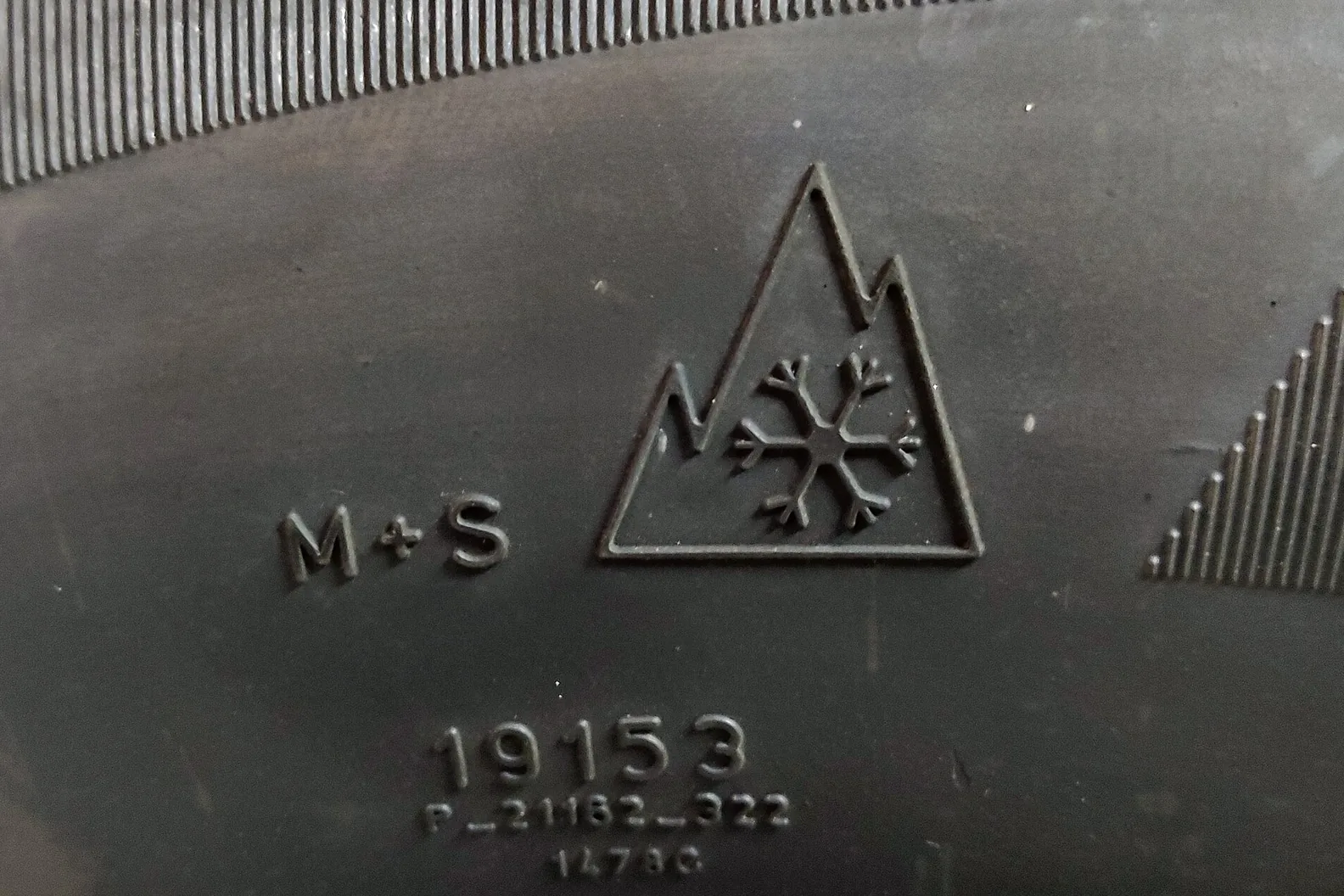
You need either four winter tyres, or to hold snow chains or snow socks able to equip at least two drive wheels. To meet the obligation without that removable equipment, the winter tyres must carry the 3PMSF marking.
And from Bordeaux?
This rule does not mean winter tyres become compulsory everywhere in France, Bordeaux included. Check the communes you pass through during your trip, not just where you live. Signs mark the entrances and exits of the zones.
Before leaving
Check in advance the tyre marking, the chain size and the wheels to be fitted. This sheet summarises the case of a passenger car; heavy vehicles may be subject to other conditions found in the official notice.
Learn the grammar
French grammar
Learn sentence patterns and usage from the article’s own sentences.
01Negation and its scope
ne / n’ … pas · ne … plus
Cette obligation ne s’applique pas uniformément à toute la France.Key pointsNormally ne and pas wrap the verb. Before a vowel, ne becomes n’. Check which part of the sentence the negation covers. Ne … plus means “no longer”.
02Citing a source with selon
selon + noun / organisation
Selon la fiche de Service-Public publiée le 20 octobre, la période va du 1er novembre 2026 au 31 mars 2027.Key pointsSelon means “according to”. Put a person or organisation after it as the source. It separates facts the writer checked directly from what another body or report said. Citing a source does not turn a forecast into an accomplished fact.
03Pouvoir: ability and possibility
peut / peuvent / pourrait + infinitive
Cette fiche résume le cas d’une voiture particulière ; les véhicules lourds peuvent relever d’autres conditions à consulter dans la notice officielle.Key pointsPut a base-form verb after pouvoir. Peut means “can” or “may”; the conditional pourrait gives a more reserved possibility, “might”. It does not necessarily mean implementation is settled.
04Purpose with pour
pour + infinitive
Pour satisfaire à l’obligation sans ces équipements amovibles, les pneus hiver doivent porter le marquage 3PMSF.Key pointsThis is the purpose, “in order to…”. Put the base form of a verb after pour. The purpose stated here is separate from whether the effect was actually achieved.
05The present of être
est / sont + complement
Dans 34 départements montagneux, seules les communes désignées par les préfets sont concernées, pas nécessairement tout le département.Key pointsEst is third-person singular and sont third-person plural of être. They express “is / are” — a state or description. If a past participle follows, it is a different structure such as the passive, so check the words that follow.
06Dates and their prepositions
le + 日付 / du … au …
Selon la fiche de Service-Public publiée le 20 octobre, la période va du 1er novembre 2026 au 31 mars 2027.Key pointsLe 15 octobre means “on 15 October”. Distinguish the le before a date from the le that marks a weekly habit like a weekday. Du is de + le and au is à + le, so decide the meaning from the verb and period expressions around them. Their role depends on the group: a range of dates, the date of a bulletin or another complement.
Japanese grammar
Understand the structure and usage from the text.
01Citing a source: によると
noun + によると
Service-Publicの10月20日の案内によると、対象期間は2026年11月1日から2027年3月31日です。Key pointsAs in “LCPによると”, it shows where the information comes from. What that source reported follows. It is used differently from “私にとって”, which gives one’s own opinion.
02Rejecting an interpretation
〜わけではない / 〜という意味ではない
フランス全土に同じ義務がかかるわけではありません。Key pointsThese forms limit and deny an interpretation: “it does not necessarily follow” or “that is not what is meant”. They do not necessarily deny every fact in the sentence. Read what is being denied together with the earlier part.
03Polite negation and plain form
〜ではありません / 〜ではない
県全体が必ず対象になるわけではありません。Key pointsThey negate a noun and similar content. “ではありません” is the polite form and “ではない” the plain form. “成立ではありません” shows that it cannot be said to have been concluded.
04Indicating the subject: について
noun + について
この記事は乗用車についての概要です。Key pointsAs in “予算について”, it shows the topic to be talked about or explained. In the form “〜についての報道”, の is added so that the group qualifies the following noun.
05Cause or purpose with ため
〜ため / 〜ために
大型車などには別の条件があるため、公式の案内も確認してください。Key pointsため is used for both reason and purpose. “成立ではないため” is a reason and “運転手を守るため” a purpose. Decide from the whole sentence whether what precedes is a cause or a goal.
06Giving examples with など
noun / expression + など
一部の山間部では、11月1日から冬用タイヤやチェーンなどが必要になります。Key points“暴言など” gives “abusive language” as one example. It is not necessarily a closed list of only the things named. It also helps when reading the scope of a news story.