Fuel: E. Leclerc and TotalEnergies cut the price of diesel
Checked on
Published on
- E. Leclerc cuts diesel by 21 centimes per litre in 742 stations from 1 November.
- TotalEnergies shows diesel at 2.15 euros per litre in its 705 Access stations.
- On 31 October, diesel averaged 2.380 euros and was falling, while petrol was rising.
In this article
E.Leclerc’s cut
According to franceinfo, E.Leclerc is cutting the price of diesel by 21 centimes per litre in its 742 stations from Sunday 1 November. For a 50-litre fill-up, the saving exceeds 10 euros. The retailer says it is passing on, without margin, the gap between the cost of the strategic reserves released by the government and market prices. The end date is not specified.
TotalEnergies and the other chains
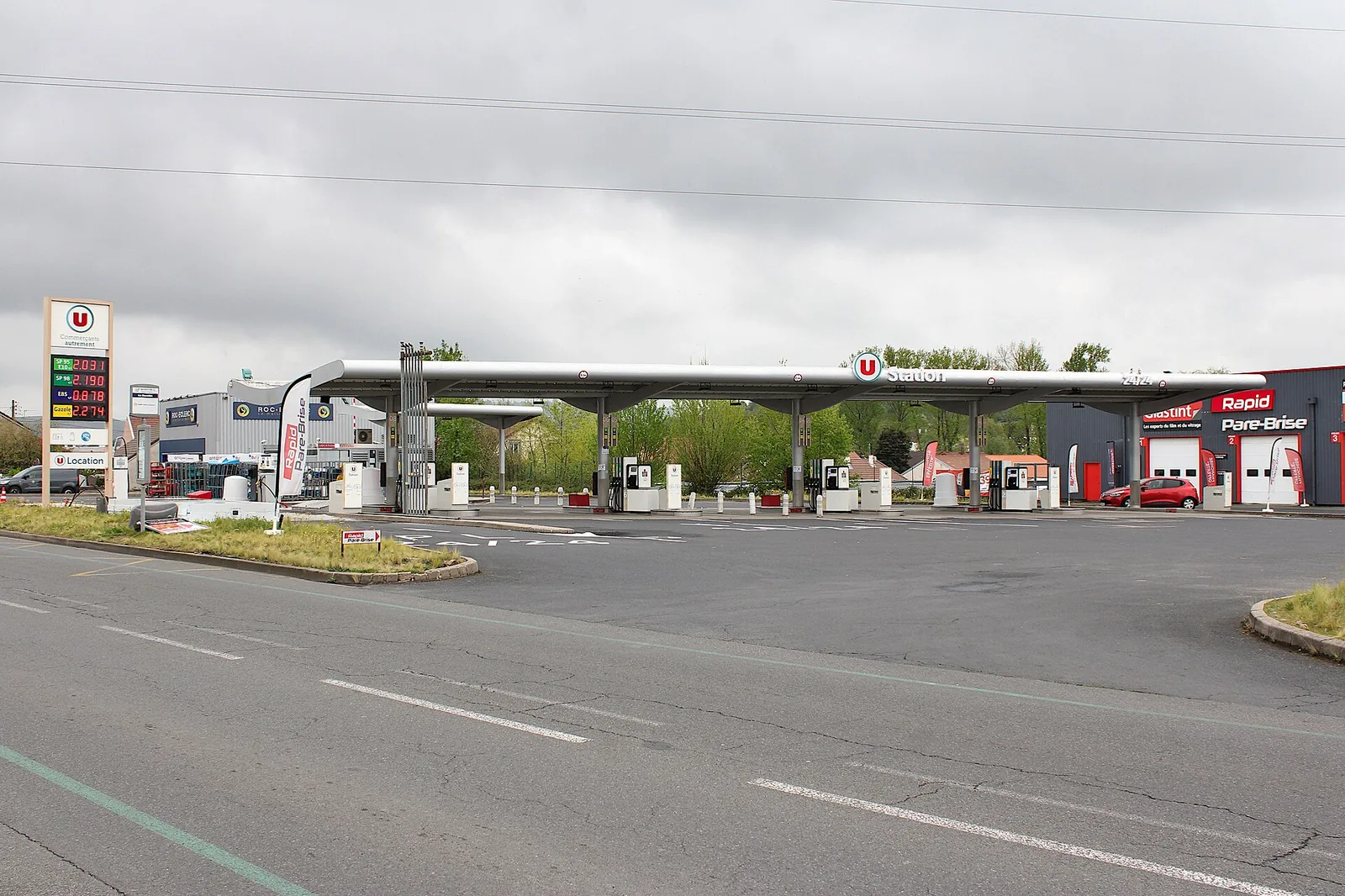
Since 31 October, TotalEnergies has shown diesel at 2.15 euros per litre in its 705 Access stations, 10 centimes below the 2.25-euro ceiling applied across its network. Coopérative U promises up to 18 centimes less from 1 November, depending on each station’s transport costs. Intermarché commits to passing on the drop, with no date or amount given.
Average prices on 31 October
On 31 October, diesel cost an average of 2.380 euros per litre, down. SP95-E10 was at 2.111 euros and SP98 at 2.226 euros, both up. The announced cuts concern diesel, not petrol.
Before filling up
A decree requires stations to display the amount of the reduction clearly. The stations concerned, the duration and the price of the day may differ. Check the display at the station or a price comparison site before choosing.
Learn the grammar
French grammar
Learn sentence patterns and usage from the article’s own sentences.
01The present of être
est / sont + complement
La date de fin n’est pas précisée.Key pointsEst is third-person singular and sont third-person plural of être. They express “is / are” — a state or description. If a past participle follows, it is a different structure such as the passive, so check the words that follow.
02The imparfait
stem (nous form of the present) + -ais / -ait / -ions / -iez / -aient
Au 31 octobre, le gazole coûtait en moyenne 2,380 euros le litre, en baisse.Key pointsThe imparfait describes states, background, habits and actions in progress in the past (il était, elle avait, ils pensaient). Take the nous form of the present, drop -ons, and add -ais / -ais / -ait / -ions / -iez / -aient. If the passé composé gives “the event itself”, the imparfait paints “the situation at the time”.
03The passive voice in the present
être (est / sont) + past participle (+ par / de)
La date de fin n’est pas précisée.Key pointsThe passive means “is done” or “is being done”. It is formed with être + past participle, which agrees with the subject in gender and number (la mesure est adoptée / les mesures sont adoptées). The agent is introduced by par (or de). In the news it is common when the event, rather than the actor, is the focus (est prévu / est annoncé / est connu).
04The imperative
present vous form (-ez) / nous (-ons) / tu
Les conditions varient selon les stations : vérifiez avant de faire le plein.Key pointsThe imperative expresses commands, requests and advice. It has no subject: the sentence starts with the verb (Consultez les informations.). The vous form ends in -ez, nous in -ons (Restons prudents.), and tu in -e for -er verbs (Consulte). It is very common in notices and warnings (Vérifiez, Consultez, Restez informé).
05Pronominal verbs
se / s’ + verb
Intermarché s’engage à répercuter la baisse, sans date ni montant précisés.Key pointsA pronominal verb is used with a reflexive pronoun (me, te, se, nous, vous) before the verb. It can mean “do to oneself”, “be done” or “do to each other”. In the news, se traduire (to result in), se tenir (to take place), s’agir de (to be a matter of) and se diffuser (to spread) are frequent. The pronoun changes with the subject (il se tient / ils se tiennent / je me souviens).
06Negation and its scope
ne / n’ … pas · ne … plus
La date de fin n’est pas précisée.Key pointsNormally ne and pas wrap the verb. Before a vowel, ne becomes n’. Check which part of the sentence the negation covers. Ne … plus means “no longer”.
07Citing a source with selon
selon + noun / organisation
Les conditions varient selon les stations : vérifiez avant de faire le plein.Key pointsSelon means “according to”. Put a person or organisation after it as the source. It separates facts the writer checked directly from what another body or report said. Citing a source does not turn a forecast into an accomplished fact.
08Pouvoir: ability and possibility
peut / peuvent / pourrait + infinitive
Les stations concernées, la durée et le prix du jour peuvent différer.Key pointsPut a base-form verb after pouvoir. Peut means “can” or “may”; the conditional pourrait gives a more reserved possibility, “might”. It does not necessarily mean implementation is settled.
09Dates and their prepositions
le + 日付 / du … au …
TotalEnergies affiche depuis le 31 octobre le gazole à 2,15 euros le litre dans ses 705 stations Access, soit 10 centimes sous le plafond de 2,25 euros appliqué dans tout son réseau.Key pointsLe 15 octobre means “on 15 October”. Distinguish the le before a date from the le that marks a weekly habit like a weekday. Du is de + le and au is à + le, so decide the meaning from the verb and period expressions around them. Their role depends on the group: a range of dates, the date of a bulletin or another complement.
10Marking a starting point
dès / depuis / à partir de + point in time
Coopérative U promet jusqu’à 18 centimes de moins dès le 1er novembre, selon les coûts de transport de chaque station.Key pointsDès means “as early as” or “as soon as”, and à partir de means “from … onwards”. Depuis basically shows a state or period continuing from a point in time. All deal with a start, but they are not used the same way.
Japanese grammar
Understand the structure and usage from the text.
01Citing a source: によると
noun + によると
franceinfoによると、E.ルクレールは11月1日(日)から、742のガソリンスタンドで軽油を1リットルあたり21サンチーム(0.21ユーロ)値引きします。Key pointsAs in “LCPによると”, it shows where the information comes from. What that source reported follows. It is used differently from “私にとって”, which gives one’s own opinion.
02Expressing a possibility
〜可能性がある / 〜かもしれない
値下げの対象店舗、期間、現在の価格は店ごとに違う可能性があります。Key pointsThese forms say something may happen. Even when “possibility” is written, it does not mean it will certainly happen. Check whose forecast it is, plus the time and conditions.
03Polite negation and plain form
〜ではありません / 〜ではない
値下げは軽油だけの話で、ガソリンの値下がりを意味するものではありません。Key pointsThey negate a noun and similar content. “ではありません” is the polite form and “ではない” the plain form. “成立ではありません” shows that it cannot be said to have been concluded.
04The polite past ました
verb stem (連用形) + ました
トタルエナジーは31日から、最も安い「Access」系の705店で軽油を1リットル2.15ユーロにしました。Key pointsIn “発表しました”, ました makes a verb polite past. The negative is “ませんでした”. Read the actual date together with the date and time in the text.
05Linking actions with the て-form
verb て-form + next expression
政府が放出した戦略備蓄の燃料の費用と市場価格の差を、利益を上乗せせずに利用者へ還元する、と同社は説明しています。Key pointsThe て-form links actions in a series, in order or as a reason. In “確認して、出発する” the relation is judged from the content. In “〜ている” it can show an action in progress or a continuing state.
06Linking two nouns with の
noun A + の + noun B
政府による戦略備蓄の放出を受けた値下げです。Key pointsA explains noun B that follows. It is not only possession: the relation can be belonging, target, content and more. In “政府の案” and “年金の税控除”, read the relation from the context.