Magnitude 7 earthquake in Tibet: at least 16 dead and more than 300 houses collapsed
Checked on
Published on
On the evening of 22 October, a magnitude 7 earthquake struck the Tibet Autonomous Region in China. The Xinhua news agency reports at least 16 dead and more than 300 houses collapsed.
In this article
The essentials
France 24 reports, based on Xinhua relayed by AFP, that the earthquake occurred on Thursday 22 October at 10:33 pm local time. Its magnitude is 7. At least 16 people died and more than 300 houses collapsed.
Location and damage
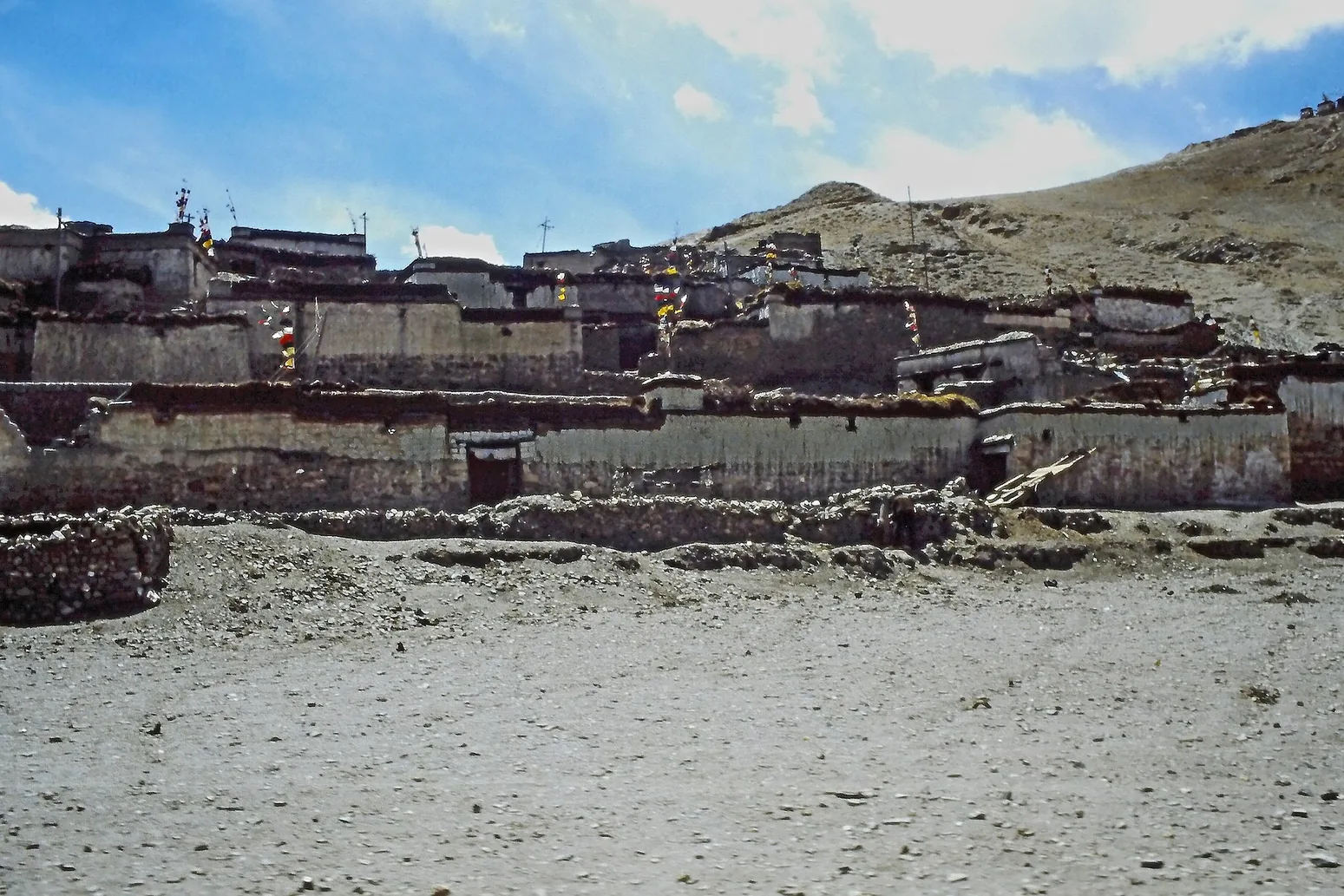
The epicentre is in Maru township, Baqen county, Tibet, in a mountainous area, about 190 km east-north-east of Nagchu and 390 km north-east of Lhasa. Electricity and telecommunications were disrupted in the county seat, and cracks appeared in the walls of the township office. The number of injured differs within the article: 65 in the text, 32 in the photo caption.
Rescue
According to the article, rescue operations continue and the authorities are assessing the damage. Staff have been sent to the site to coordinate the response, and checks are being carried out in the surrounding villages.
Context and grey areas
The region is prone to earthquakes. In January 2025, a magnitude 6.8 earthquake struck Tingri, Tibet, killing at least 126. For this earthquake, the article gives neither the depth, nor the source of the magnitude (USGS or CENC), nor Beijing’s reactions, nor aftershocks, nor the number of missing.
To keep in mind
This article is based on an initial account of the damage. The numbers of dead and injured may change. It rests on an article from the evening of 22 October and does not necessarily reflect the most recent figures as of the 24th.
Learn the grammar
French grammar
Learn sentence patterns and usage from the article’s own sentences.
01The present indicative
est / sont + attribute (noun, adjective, prepositional phrase)
La région est sujette aux séismes.Key pointsÊtre in the present is est for a singular subject and sont for a plural one. It describes nature, state or place (“is”, “is located”). If what follows (the attribute) is a noun, adjective or prepositional phrase, it is not a passive. If a past participle follows, it is a passive (est annoncé). Headlines and summaries often use the present to describe the current situation.
02The passé composé
present of avoir + past participle
Dans la soirée du 22 octobre, un séisme de magnitude 7 a frappé la région autonome du Tibet, en Chine.Key pointsThe passé composé is the most common past tense, used for “did” and “has done” — actions completed in the past. It is formed with the auxiliary avoir (a / ont…) in the present + a past participle. Past participles of -er verbs end in -é (annoncer → annoncé); learn the irregular ones (faire → fait, prendre → pris, voir → vu). In the negative, ne … pas wraps the auxiliary (n’a pas annoncé). In the news it reports facts that have already happened, such as “announced” or “voted”.
03The passé composé of pronominal verbs
se + present of être + past participle
France 24 rapporte, d’après Xinhua relayée par l’AFP, que le séisme s’est produit le jeudi 22 octobre à 22 h 33, heure locale.Key pointsThe passé composé of a pronominal verb (se + verb) always uses être as auxiliary (il s’est diffusé / elles se sont réunies). Se changes with the subject: me, te, se, nous, vous. The past participle usually agrees with the subject in gender and number.
04The imparfait
stem (nous form of the present) + -ais / -ait / -ions / -iez / -aient
En janvier 2025, un séisme de magnitude 6,8 avait frappé Tingri, au Tibet, et fait au moins 126 morts.Key pointsThe imparfait describes states, background, habits and actions in progress in the past (il était, elle avait, ils pensaient). Take the nous form of the present, drop -ons, and add -ais / -ais / -ait / -ions / -iez / -aient. If the passé composé gives “the event itself”, the imparfait paints “the situation at the time”.
05The passive voice in the present
être (est / sont) + past participle (+ par / de)
Des employés ont été envoyés sur place pour coordonner la réponse, et des vérifications sont menées dans les villages alentour.Key pointsThe passive means “is done” or “is being done”. It is formed with être + past participle, which agrees with the subject in gender and number (la mesure est adoptée / les mesures sont adoptées). The agent is introduced by par (or de). In the news it is common when the event, rather than the actor, is the focus (est prévu / est annoncé / est connu).
06The passive in the passé composé
a / ont été + past participle
Les services d’électricité et de télécommunications ont été perturbés au chef-lieu du district, et des fissures sont apparues dans les murs du bureau du canton.Key pointsThe past passive means “was done”. Its form is present of avoir + été (past participle of être) + past participle. Été does not change, but the last participle agrees with the subject in gender and number (la loi a été votée / les textes ont été votés). It is frequent in news reporting results such as votes, decisions and announcements.
07Pronominal verbs
se / s’ + verb
L’épicentre se trouve dans le canton de Maru, district de Baqen, au Tibet, en zone montagneuse, à environ 190 km à l’est-nord-est de Nagchu et à 390 km au nord-est de Lhassa.Key pointsA pronominal verb is used with a reflexive pronoun (me, te, se, nous, vous) before the verb. It can mean “do to oneself”, “be done” or “do to each other”. In the news, se traduire (to result in), se tenir (to take place), s’agir de (to be a matter of) and se diffuser (to spread) are frequent. The pronoun changes with the subject (il se tient / ils se tiennent / je me souviens).
08Negation and its scope
ne / n’ … pas · ne … plus
Il repose sur un article du soir du 22 octobre et ne reflète pas nécessairement les chiffres les plus récents au 24.Key pointsNormally ne and pas wrap the verb. Before a vowel, ne becomes n’. Check which part of the sentence the negation covers. Ne … plus means “no longer”.
09Citing a source with selon
selon + noun / organisation
Selon l’article, les opérations de secours se poursuivent et les autorités évaluent les dégâts.Key pointsSelon means “according to”. Put a person or organisation after it as the source. It separates facts the writer checked directly from what another body or report said. Citing a source does not turn a forecast into an accomplished fact.
10Pouvoir: ability and possibility
peut / peuvent / pourrait + infinitive
Les nombres de morts et de blessés peuvent évoluer.Key pointsPut a base-form verb after pouvoir. Peut means “can” or “may”; the conditional pourrait gives a more reserved possibility, “might”. It does not necessarily mean implementation is settled.
11Purpose with pour
pour + infinitive
Des employés ont été envoyés sur place pour coordonner la réponse, et des vérifications sont menées dans les villages alentour.Key pointsThis is the purpose, “in order to…”. Put the base form of a verb after pour. The purpose stated here is separate from whether the effect was actually achieved.
12Dates and their prepositions
le + 日付 / du … au …
Dans la soirée du 22 octobre, un séisme de magnitude 7 a frappé la région autonome du Tibet, en Chine.Key pointsLe 15 octobre means “on 15 October”. Distinguish the le before a date from the le that marks a weekly habit like a weekday. Du is de + le and au is à + le, so decide the meaning from the verb and period expressions around them. Their role depends on the group: a range of dates, the date of a bulletin or another complement.
Japanese grammar
Understand the structure and usage from the text.
01Citing a source: によると
noun + によると
記事によると、救助活動は続いていて、当局は、被害を調べています。Key pointsAs in “LCPによると”, it shows where the information comes from. What that source reported follows. It is used differently from “私にとって”, which gives one’s own opinion.
02Polite negation and plain form
〜ではありません / 〜ではない
この記事は、22日夜の記事にもとづき、24日の時点の最新の数字ではありません。Key pointsThey negate a noun and similar content. “ではありません” is the polite form and “ではない” the plain form. “成立ではありません” shows that it cannot be said to have been concluded.
03Indicating the subject: について
noun + について
今回の地震について、記事には、震源の深さ、マグニチュードの発表元(米地質調査所か、中国地震台網センターか)、北京の対応、余震、行方不明者の数が、書かれていません。Key pointsAs in “予算について”, it shows the topic to be talked about or explained. In the form “〜についての報道”, の is added so that the group qualifies the following noun.
04The polite past ました
verb stem (連用形) + ました
22日の夜、中国のチベット自治区で、マグニチュード7の地震がありました。Key pointsIn “発表しました”, ました makes a verb polite past. The negative is “ませんでした”. Read the actual date together with the date and time in the text.
05Quoting with と: content and report
plain-form sentence + と + verbe de parole (報じる, 説明する…)
新華社は、少なくとも16人が亡くなり、300棟以上の家が倒壊した、と伝えています。Key pointsと takes the content that is reported or explained. In “改定する方針だと報じました”, “改定する方針だ” is what the report said. Separating the content from who said it and how makes long sentences easier to read.
06Treating a clause like a noun with こと
plain-form sentence + こと + particle
死者や負傷者の数は、時間とともに変わることがあります。Key points“〜すること” treats an action or content like a noun. The particle after it (が・を・は…) shows its role in the sentence. “ことができる” is a fixed combination meaning “can”.