Spain: the train collision at Urda leaves 69 dead, including a Frenchwoman
Checked on
Published on
- On 28 October, two high-speed trains collided near Urda in central Spain; the toll is 69 dead.
- A Frenchwoman is among the victims.
- Human error and a signalling failure are mentioned, but the cause is not established.
In this article
What happened
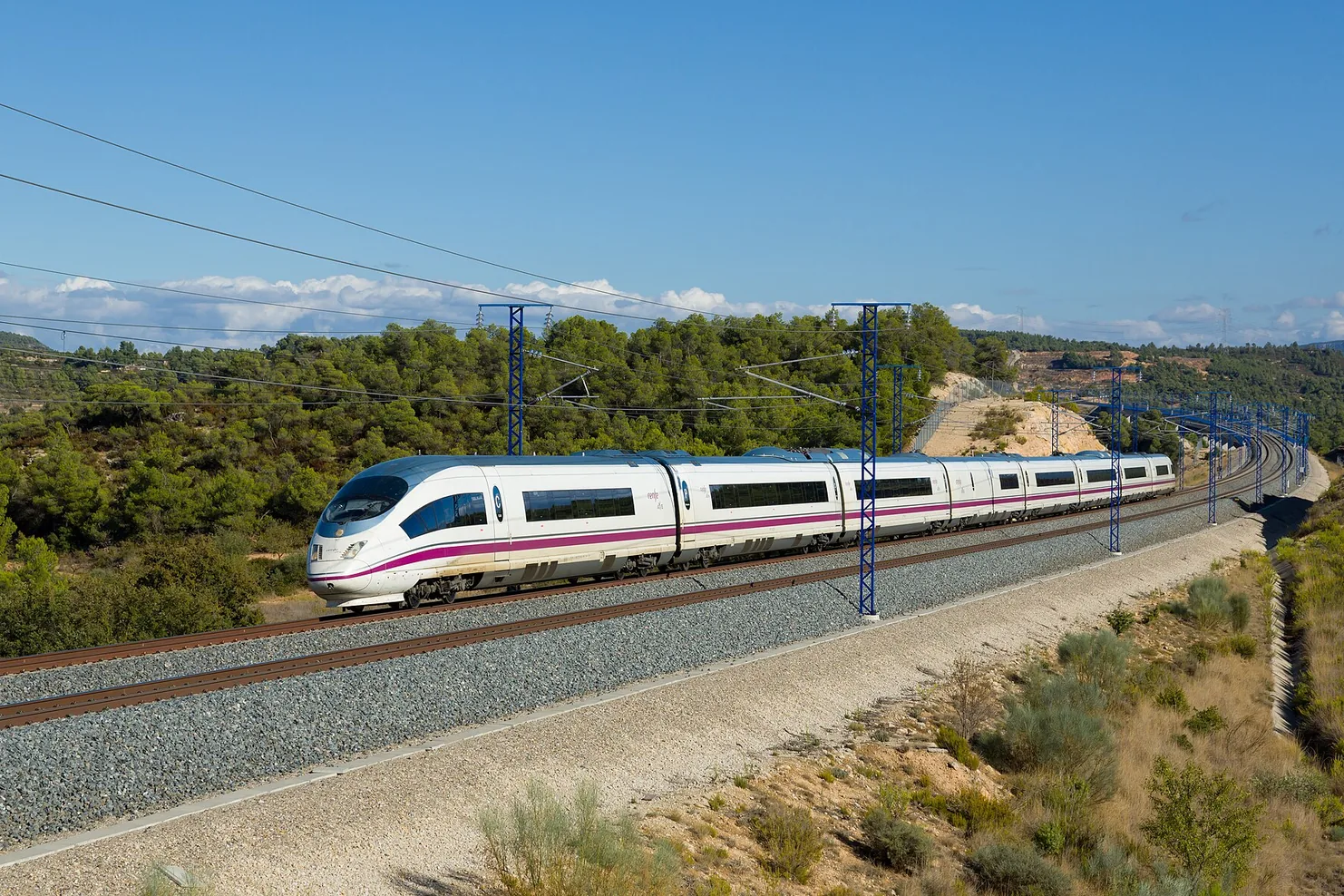
According to franceinfo, two high-speed trains collided on 28 October at around 8:53 a.m. near Urda, in the province of Toledo (central Spain), on the Madrid–Seville line: a Renfe AVE and a train of the private company Iryo. The toll is 69 dead as of 31 October. The number of injured is not given in the article consulted.
The victims
The French Ministry of Foreign Affairs announced on 31 October that a Frenchwoman was among the victims. The Spanish authorities have finished the autopsies and 36 victims had been identified. A memorial mass was held in Urda the same day.
Hypotheses about the causes
According to franceinfo, human error is the main line of inquiry. Spanish media report that the Madrid control room allegedly ordered the AVE driver to resume normal running while the Iryo train was still stopped. The Minister of Transport blames an employee of the infrastructure manager; the Andalusian Minister of Health points to a failure of the LZB signalling system. None of these theses is established.
The investigation
The independent body AITAT has sent three investigators to the province of Toledo. The Guardia Civil is gathering evidence, including the black boxes and camera footage. It will take time before the causes are known.
Learn the grammar
French grammar
Learn sentence patterns and usage from the article’s own sentences.
01The present indicative
est / sont + attribute (noun, adjective, prepositional phrase)
Le bilan est de 69 morts au 31 octobre.Key pointsÊtre in the present is est for a singular subject and sont for a plural one. It describes nature, state or place (“is”, “is located”). If what follows (the attribute) is a noun, adjective or prepositional phrase, it is not a passive. If a past participle follows, it is a passive (est annoncé). Headlines and summaries often use the present to describe the current situation.
02The passé composé
present of avoir + past participle
La collision a eu lieu le 28 octobre.Key pointsThe passé composé is the most common past tense, used for “did” and “has done” — actions completed in the past. It is formed with the auxiliary avoir (a / ont…) in the present + a past participle. Past participles of -er verbs end in -é (annoncer → annoncé); learn the irregular ones (faire → fait, prendre → pris, voir → vu). In the negative, ne … pas wraps the auxiliary (n’a pas annoncé). In the news it reports facts that have already happened, such as “announced” or “voted”.
03The imparfait
stem (nous form of the present) + -ais / -ait / -ions / -iez / -aient
Des médias espagnols rapportent que le poste de régulation de Madrid aurait ordonné au conducteur de l’AVE de reprendre une marche normale alors que le train d’Iryo était toujours à l’arrêt.Key pointsThe imparfait describes states, background, habits and actions in progress in the past (il était, elle avait, ils pensaient). Take the nous form of the present, drop -ons, and add -ais / -ais / -ait / -ions / -iez / -aient. If the passé composé gives “the event itself”, the imparfait paints “the situation at the time”.
04The futur simple
stem (infinitive) + -ai / -as / -a / -ons / -ez / -ont
Il faudra du temps avant de connaître les causes.Key pointsThe futur simple means “will do” or “is planned to”. Add -ai, -as, -a, -ons, -ez, -ont to the infinitive (participer → il participera). Watch the irregular stems: être → ser-, avoir → aur-, aller → ir-, faire → fer-, pouvoir → pourr-, voir → verr-. In the news it is used for fixed plans and outlooks.
05The present conditional
stem (infinitive) + -ais / -ait / -ions / -iez / -aient
Des médias espagnols rapportent que le poste de régulation de Madrid aurait ordonné au conducteur de l’AVE de reprendre une marche normale alors que le train d’Iryo était toujours à l’arrêt.Key pointsThe conditional expresses possibility, supposition, unconfirmed information and polite requests (“would”, “might”). It uses the same stem as the future and the same endings as the imparfait (-ais, -ait, -ions, -iez, -aient): pouvoir → il pourrait. In the news it is used to avoid asserting, as in “is reported to…” or “there is a possibility…”.
06The passive voice in the present
être (est / sont) + past participle (+ par / de)
L’erreur humaine et une panne du système de signalisation sont évoquées, sans cause établie.Key pointsThe passive means “is done” or “is being done”. It is formed with être + past participle, which agrees with the subject in gender and number (la mesure est adoptée / les mesures sont adoptées). The agent is introduced by par (or de). In the news it is common when the event, rather than the actor, is the focus (est prévu / est annoncé / est connu).
07The passive in the passé composé
a / ont été + past participle
Les autorités espagnoles ont terminé les autopsies et 36 victimes avaient été identifiées.Key pointsThe past passive means “was done”. Its form is present of avoir + été (past participle of être) + past participle. Été does not change, but the last participle agrees with the subject in gender and number (la loi a été votée / les textes ont été votés). It is frequent in news reporting results such as votes, decisions and announcements.
08Negation and its scope
ne / n’ … pas · ne … plus
Le nombre de blessés ne figure pas dans l’article consulté.Key pointsNormally ne and pas wrap the verb. Before a vowel, ne becomes n’. Check which part of the sentence the negation covers. Ne … plus means “no longer”.
09Citing a source with selon
selon + noun / organisation
Selon franceinfo, deux trains à grande vitesse sont entrés en collision le 28 octobre vers 8 h 53 près d’Urda, dans la province de Tolède (centre de l’Espagne), sur la ligne Madrid–Séville : un AVE de la Renfe et un train de la compagnie privée Iryo.Key pointsSelon means “according to”. Put a person or organisation after it as the source. It separates facts the writer checked directly from what another body or report said. Citing a source does not turn a forecast into an accomplished fact.
10Dates and their prepositions
le + 日付 / du … au …
La collision a eu lieu le 28 octobre.Key pointsLe 15 octobre means “on 15 October”. Distinguish the le before a date from the le that marks a weekly habit like a weekday. Du is de + le and au is à + le, so decide the meaning from the verb and period expressions around them. Their role depends on the group: a range of dates, the date of a bulletin or another complement.
11The uses of dans
dans + noun phrase
L’organisme indépendant AITAT a envoyé trois enquêteurs dans la province de Tolède.Key pointsDans means “in, inside” for places, but also for a scope such as a system or period. With future time, dans deux jours means “in two days”. In the article’s example, check what it is “inside” and which scope it marks. Identify the value of dans in the passage.
Japanese grammar
Understand the structure and usage from the text.
01Citing a source: によると
noun + によると
franceinfoによると、10月28日8時53分ごろ、スペイン中部トレド県のウルダ付近で、マドリード〜セビリア間の高速鉄道の列車2本が衝突しました。Key pointsAs in “LCPによると”, it shows where the information comes from. What that source reported follows. It is used differently from “私にとって”, which gives one’s own opinion.
02Polite negation and plain form
〜ではありません / 〜ではない
いずれも確定した結論ではありません。Key pointsThey negate a noun and similar content. “ではありません” is the polite form and “ではない” the plain form. “成立ではありません” shows that it cannot be said to have been concluded.
03Giving examples with など
noun / expression + など
治安警備隊(グアルディア・シビル)も、ブラックボックスや防犯カメラの映像などの証拠を集めています。Key points“暴言など” gives “abusive language” as one example. It is not necessarily a closed list of only the things named. It also helps when reading the scope of a news story.
04The polite past ました
verb stem (連用形) + ました
事故は10月28日に起きました。Key pointsIn “発表しました”, ました makes a verb polite past. The negative is “ませんでした”. Read the actual date together with the date and time in the text.
05Quoting with と: content and report
plain-form sentence + と + verbe de parole (報じる, 説明する…)
31日の時点で、死者は69人とされています。Key pointsと takes the content that is reported or explained. In “改定する方針だと報じました”, “改定する方針だ” is what the report said. Separating the content from who said it and how makes long sentences easier to read.
06Linking actions with the て-form
verb て-form + next expression
人為的ミスと信号システムの故障が指摘されていますが、原因はまだ確定していません。Key pointsThe て-form links actions in a series, in order or as a reason. In “確認して、出発する” the relation is judged from the content. In “〜ている” it can show an action in progress or a continuing state.