“Girls Band Cry THE MOVIE”: release on 21 May 2027, teaser and key visual unveiled
Checked on
Published on
- “Girls Band Cry THE MOVIE” will be released on 21 May 2027.
- After the TV series (2024, 13 episodes), the band sets off on a tour of 50 venues across the country.
- Directed by Kazuo Sakai; character design by Nari Teshima. A teaser and a key visual have been released.
- Mubichike tickets go on sale on 6 November. The studio and distributor could not be verified in the source used.
In this article
The announcement
According to Anime Hack (eiga.com, 3 November, 9:30 pm), “Girls Band Cry THE MOVIE” will be released on 21 May 2027. A teaser video and a key visual have been published. The work is an original anime whose 13-episode TV series aired in 2024.
Story, staff and cast
The story follows “Togenashi Togeari”, the band that restarted as an independent group after the battle of the bands against Diamond Dust in the last episode of the series, in a tour of 50 venues across the country. The director is Kazuo Sakai (series director on the TV series) and the character design is by Nari Teshima, who also drew the key visual. The cast: Nina Iseri (voiced by Rina), Momoka Kawaragi (Yuuri), Subaru Awa (Mirei), Tomo Ebizuka (Nagi) and Rupa (Shuri); the members of Diamond Dust are played by Reina Kondo, Misato Matsuoka, Yuuki Urushiyama and Momoko Miyashiro.
Related information and unverified points
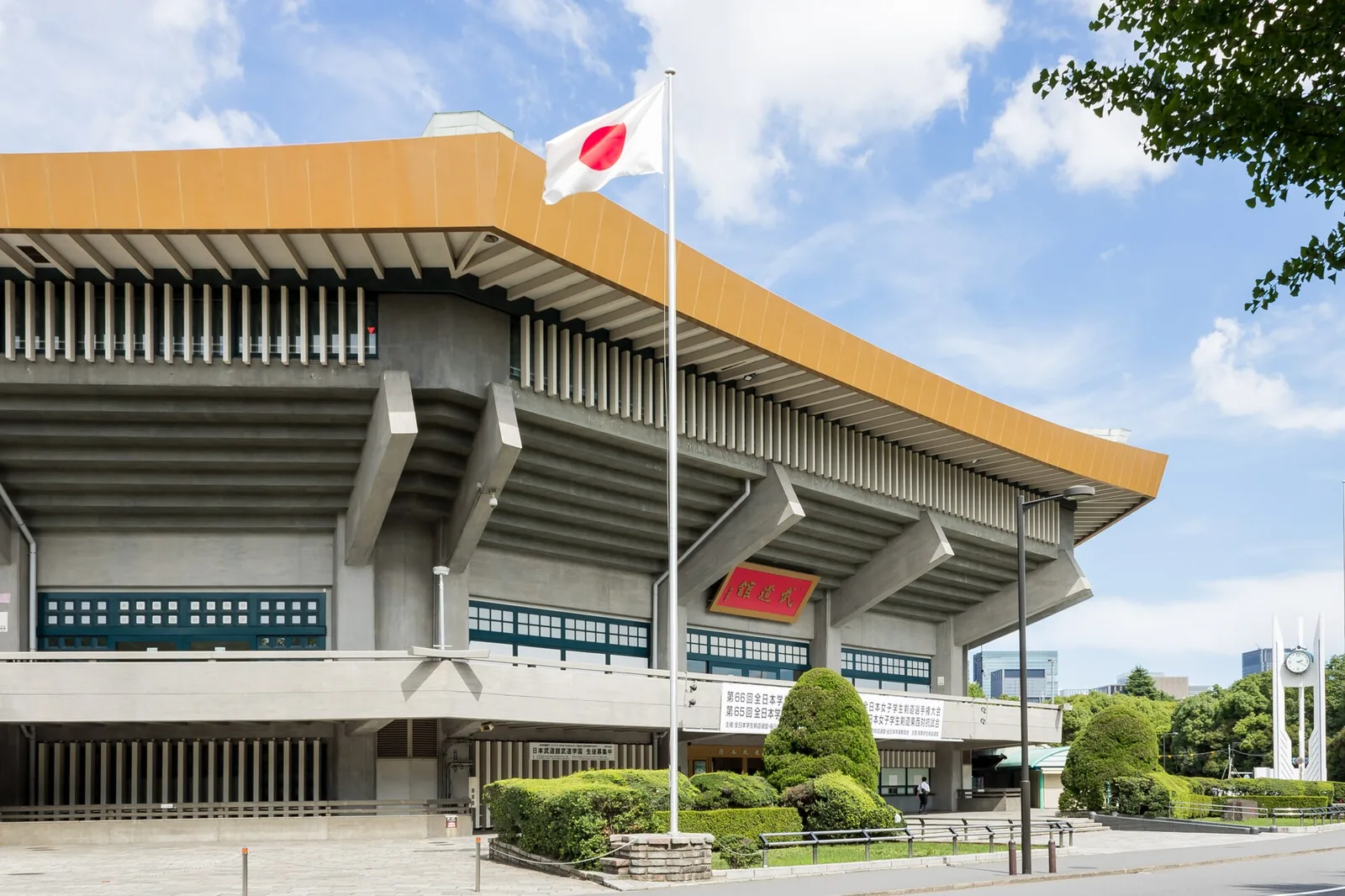
The first set of Mubichike advance tickets goes on sale on 6 November 2026 (1,900 yen, with a mini acrylic stand, limited quantity). The real band formed by the voice actors, Togenashi Togeari, played the Nippon Budokan in 2025, toured Japan and abroad in 2026 and plans a solo concert at K-Arena Yokohama in 2027. The animation studio and the distributor are not given in the article; the number of cinemas and the running time could not be verified.
Learn the grammar
French grammar
Learn sentence patterns and usage from the article’s own sentences.
01The passive in the passé composé
a / ont été + past participle
Un teaser vidéo et un visuel ont été publiés.Key pointsThe thing that received the action is the subject, as in “was adopted” or “was confirmed”. A / ont is avoir and été is the past participle of être. The last past participle changes in gender and number with the subject: adopté, adoptée, adoptés, adoptées.
02Negation and its scope
ne / n’ … pas · ne … plus
Le studio d’animation et le distributeur ne figurent pas dans l’article ; le nombre de salles et la durée n’ont pas pu être vérifiés.Key pointsNormally ne and pas wrap the verb. Before a vowel, ne becomes n’. Check which part of the sentence the negation covers. Ne … plus means “no longer”.
03Citing a source with selon
selon + noun / organisation
Selon Anime Hack (eiga.com, 3 novembre, 21 h 30), « Girls Band Cry THE MOVIE » sortira le 21 mai 2027.Key pointsSelon means “according to”. Put a person or organisation after it as the source. It separates facts the writer checked directly from what another body or report said. Citing a source does not turn a forecast into an accomplished fact.
04Expressing a plan or a deadline
être prévu / prévoir / être envisagé
Le groupe réel formé par les interprètes, Togenashi Togeari, a donné un concert au Nippon Budokan en 2025, une tournée au Japon et à l’étranger en 2026 et prévoit un concert solo au K-Arena Yokohama en 2027.Key pointsPrévoir means “to plan, to expect”. Être prévu means “to be scheduled” and être envisagé means “to be under consideration”. In the news, read them separately from expressions that describe events that have already happened. They do not say that the event has already taken place.
05The present of être
est / sont + complement
L’œuvre est un anime original dont la série TV de 13 épisodes a été diffusée en 2024.Key pointsEst is third-person singular and sont third-person plural of être. They express “is / are” — a state or description. If a past participle follows, it is a different structure such as the passive, so check the words that follow.
06The subject relative pronoun qui
noun + qui + verb
Le réalisateur est Kazuo Sakai (directeur de série pour la série TV) et le chara-design est de Nari Teshima, qui a aussi dessiné le visuel.Key pointsQui continues a description of the person or thing just mentioned (“the one that does…”). Because qui is itself the subject of the next verb, do not repeat the subject. The verb agrees with the noun qui refers to.
Japanese grammar
Understand the structure and usage from the text.
01Citing a source: によると
noun + によると
アニメハック(eiga.com)の記事(11月3日21時30分)によると、『ガールズバンドクライ THE MOVIE』は2027年5月21日に公開されます。Key pointsAs in “LCPによると”, it shows where the information comes from. What that source reported follows. It is used differently from “私にとって”, which gives one’s own opinion.
02The polite past ました
verb stem (連用形) + ました
オリジナルアニメ『ガールズバンドクライ』の劇場版が、2027年5月21日に公開されると発表されました。Key pointsIn “発表しました”, ました makes a verb polite past. The negative is “ませんでした”. Read the actual date together with the date and time in the text.
03Quoting with と: content and report
plain-form sentence + と + verbe de parole (報じる, 説明する…)
オリジナルアニメ『ガールズバンドクライ』の劇場版が、2027年5月21日に公開されると発表されました。Key pointsと takes the content that is reported or explained. In “改定する方針だと報じました”, “改定する方針だ” is what the report said. Separating the content from who said it and how makes long sentences easier to read.
04Possibility in Japanese: できる・られる
verb potential form / 〜ことができる
劇場の数や上映時間も、確認できませんでした。Key pointsできる is the basic verb for ability. The potential form of 受ける is 受けられる. The same られる can also be passive or honorific, so decide from the meaning of the sentence.
05Linking actions with the て-form
verb て-form + next expression
物語は、テレビシリーズの最終話でダイヤモンドダストと対バンした後、インディーズバンドとして再始動した「トゲナシトゲアリ」を描き、全国50か所をめぐるツアーに発展していきます。Key pointsThe て-form links actions in a series, in order or as a reason. In “確認して、出発する” the relation is judged from the content. In “〜ている” it can show an action in progress or a continuing state.
06Linking two nouns with の
noun A + の + noun B
アニメハックの11月3日の記事から、分かっている内容を整理します。Key pointsA explains noun B that follows. It is not only possession: the relation can be belonging, target, content and more. In “政府の案” and “年金の税控除”, read the relation from the context.