The government suspends the “fonds chaleur”: local authorities denounce a “cataclysm”
Checked on
Published on
- The government announced on 3 November the immediate suspension of new applications to the fonds chaleur.
- It would be cut to 500 million euros in 2027, 300 million less than in 2026.
- Amorce, a network of local authorities, speaks of a “cataclysm” and fears about 1,200 projects will be blocked.
- The length of the suspension and the fate of applications already accepted could not be verified.
In this article
The decision
According to franceinfo (4 November, late afternoon), the government announced on Tuesday 3 November the suspension of the fonds chaleur, because of a sharp budget cut. All new funding requests are frozen immediately. The government plans to cut this fund to 500 million euros in 2027, 300 million less than in 2026.
What is the fonds chaleur?
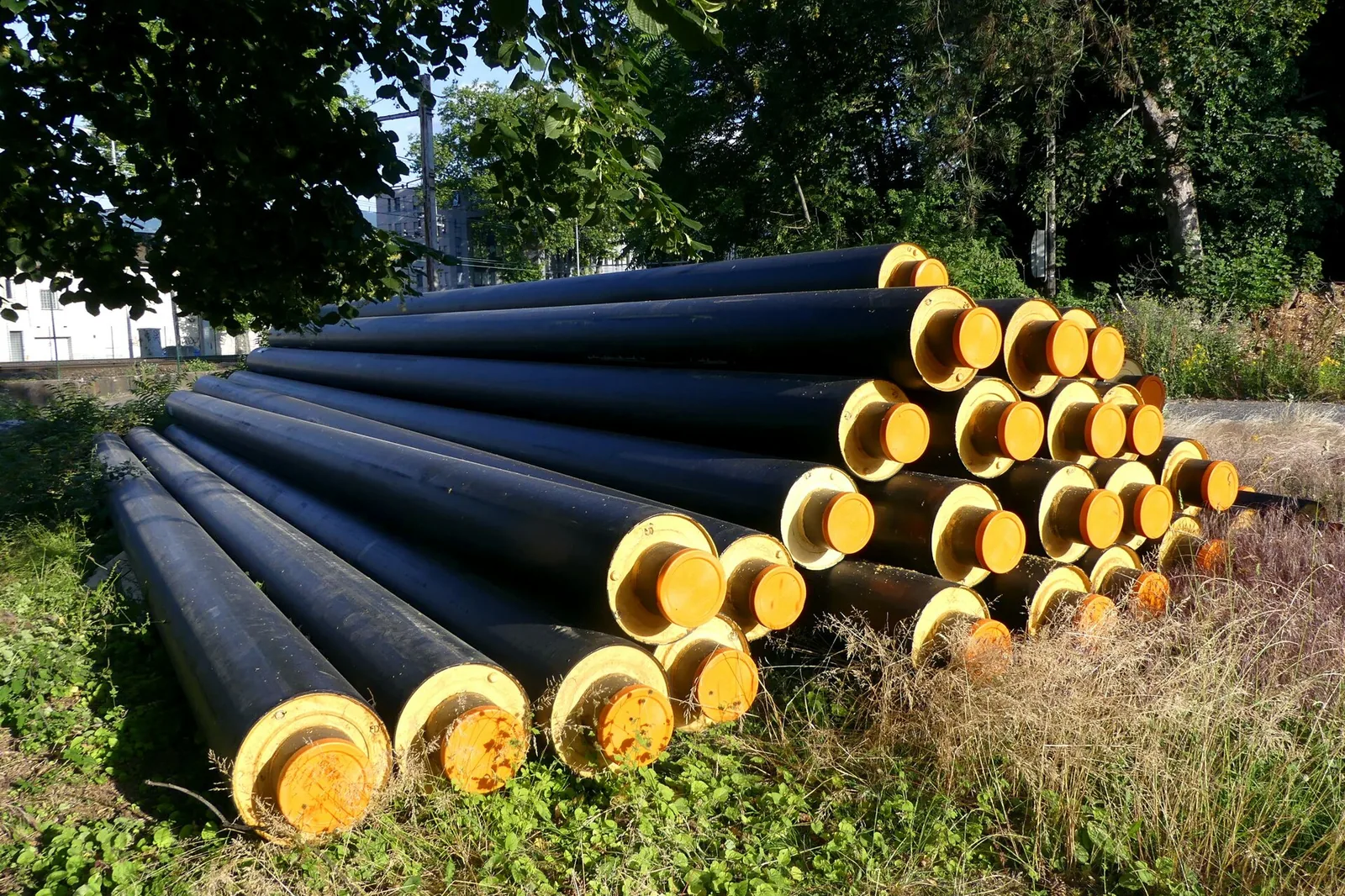
It is a State fund that finances renewable heating and cooling networks and decarbonised heat production, for example geothermal energy or solar thermal panels. It helps France move away from fossil fuels. Local authorities are among its beneficiaries.
Reactions and unverified points
The local-authority network Amorce speaks of a “cataclysm in the French strategy to reduce our dependence on fossil fuels” and fears that about 1,200 projects currently under study will be blocked. According to the article, this decision adds to other cuts in environmental spending in recent days, including the removal of several programmes to adapt buildings to climate change. In the source used, we could not verify the details of the reasons for the cut, the length of the suspension, or the fate of applications already accepted.
Learn the grammar
French grammar
Learn sentence patterns and usage from the article’s own sentences.
01Negation and its scope
ne / n’ … pas · ne … plus
Dans la source utilisée, nous n’avons pas pu vérifier le détail des raisons de la baisse, la durée de la suspension, ni le sort des dossiers déjà acceptés.Key pointsNormally ne and pas wrap the verb. Before a vowel, ne becomes n’. Check which part of the sentence the negation covers. Ne … plus means “no longer”.
02Citing a source with selon
selon + noun / organisation
Selon franceinfo (4 novembre en fin d’après-midi), le gouvernement a annoncé le mardi 3 novembre la suspension du fonds chaleur, en raison d’une forte coupe budgétaire.Key pointsSelon means “according to”. Put a person or organisation after it as the source. It separates facts the writer checked directly from what another body or report said. Citing a source does not turn a forecast into an accomplished fact.
03Expressing a plan or a deadline
être prévu / prévoir / être envisagé
Le gouvernement prévoit de ramener ce fonds à 500 millions d’euros en 2027, soit 300 millions de moins qu’en 2026.Key pointsPrévoir means “to plan, to expect”. Être prévu means “to be scheduled” and être envisagé means “to be under consideration”. In the news, read them separately from expressions that describe events that have already happened. They do not say that the event has already taken place.
04The passé composé for events
present of avoir + past participle
Selon franceinfo (4 novembre en fin d’après-midi), le gouvernement a annoncé le mardi 3 novembre la suspension du fonds chaleur, en raison d’une forte coupe budgétaire.Key pointsIt reports past events, as in “announced” or “explained”. A / ont is the auxiliary avoir and the next word is the past participle. The passé composé alone does not tell you the date of the event.
05The present of être
est / sont + complement
Le fonds de l’État qui finance les réseaux de chaleur renouvelable est suspendu pour toute nouvelle demande, et serait ramené à 500 millions d’euros en 2027.Key pointsEst is third-person singular and sont third-person plural of être. They express “is / are” — a state or description. If a past participle follows, it is a different structure such as the passive, so check the words that follow.
06The subject relative pronoun qui
noun + qui + verb
C’est un fonds de l’État qui finance des réseaux de chaleur et de froid renouvelables et la production de chaleur décarbonée, par exemple la géothermie ou les panneaux solaires thermiques.Key pointsQui continues a description of the person or thing just mentioned (“the one that does…”). Because qui is itself the subject of the next verb, do not repeat the subject. The verb agrees with the noun qui refers to.
Japanese grammar
Understand the structure and usage from the text.
01Citing a source: によると
noun + によると
franceinfo(4日夕方)によると、政府は11月3日(火)に「fonds chaleur」の停止を発表しました。Key pointsAs in “LCPによると”, it shows where the information comes from. What that source reported follows. It is used differently from “私にとって”, which gives one’s own opinion.
02Cause or purpose with ため
〜ため / 〜ために
再生可能な暖房・冷房のための国の基金が、新規の申請の受付を直ちに止めました。Key pointsため is used for both reason and purpose. “成立ではないため” is a reason and “運転手を守るため” a purpose. Decide from the whole sentence whether what precedes is a cause or a goal.
03The polite past ました
verb stem (連用形) + ました
自治体のネットワーク「アモルス(Amorce)」は、これを「化石燃料への依存を減らすフランスの戦略にとっての大惨事」と呼びました。Key pointsIn “発表しました”, ました makes a verb polite past. The negative is “ませんでした”. Read the actual date together with the date and time in the text.
04Treating a clause like a noun with こと
plain-form sentence + こと + particle
分かっていることを整理します。Key points“〜すること” treats an action or content like a noun. The particle after it (が・を・は…) shows its role in the sentence. “ことができる” is a fixed combination meaning “can”.
05Possibility in Japanese: できる・られる
verb potential form / 〜ことができる
この記事の範囲では、削減される理由の詳しい説明、停止がいつまで続くか、すでに承認された案件の扱いは確認できませんでした。Key pointsできる is the basic verb for ability. The potential form of 受ける is 受けられる. The same られる can also be passive or honorific, so decide from the meaning of the sentence.
06Linking actions with the て-form
verb て-form + next expression
現在調査中の約1,200件の計画が止まるおそれがある、と同団体は懸念しています。Key pointsThe て-form links actions in a series, in order or as a reason. In “確認して、出発する” the relation is judged from the content. In “〜ている” it can show an action in progress or a continuing state.